navigation
yes it is. DisplayPort is a popular alternative to HDMI cables where extra bandwidth is needed, but it wouldn’t be a great option if it couldn’t at least meet the same basic features. Audio transmission, as well as video transmission, is a key component of DisplayPort, with audio over DisplayPort being a major feature supported by the DisplayPort interface. This makes it a versatile solution, capable of transferring media from a source device, such as a laptop or desktop computer, to a display using the DisplayPort interface standard.
Does DisplayPort carry audio? She can do that and more. DisplayPort can carry source video, audio and video data, and some forms of data as well. It can transmit audio and video simultaneously over a single cable, although it is not mandatory, and each form of data can be transmitted over the others if requested by the user.
DisplayPort audio transmission improvements
Development of vocal abilities
Such as overall bandwidth, data rate, resolution support, and features, audio transmission over DisplayPort has improved over time. Each version of DisplayPort brought improvements to both audio and video capabilities, support for higher bandwidth, improved audio formats, and greater future-proof compatibility. DisplayPort 1.0 and 1.1 standards have a maximum sample rate of 192 kHz, a maximum sample size of 24 bits, and a maximum of eight audio channels. These improvements in DisplayPort versions have also enabled devices to achieve maximum resolutions and refresh rates, ensuring that audio and video advancements go hand in hand.
Improvements in later versions
In version 1.2 and 1.2a, the number of channels and sample size remained the same, but the maximum sample rate increased to 768 kHz. This improved sound quality and supported many advanced audio features, such as multi-channel, high-resolution, and uncompressed audio transmission. Version 1.3 made no modifications to the DisplayPort audio specification, but DisplayPort 1.4 made great strides, increasing the maximum sample rate to 1536 kHz and the maximum number of supported audio channels to 32. DisplayPort 1.4 also introduced Display Stream Compression (DSC), a lossless optical compression standard that provides higher resolution and improved audio support. Additionally, DisplayPort supports Multi-Stream Transport (MST), allowing users to connect multiple displays and transmit audio to each display through a single connection.
DisplayPort vs HDMI Audio
Compare audio channels and sample rates
DisplayPort and HDMI are the most common video and audio transfer connectors for game consoles, computers, Blu-ray players, and other devices that output media to external displays. Both DisplayPort and HDMI support high-quality audio formats, but DisplayPort generally supports more audio channels, making it more suitable for professional audio applications. As with overall bandwidth and support for higher resolutions and refresh rates, DisplayPort tends to offer greater support for audio sampling rates, but HDMI 2.1 changes that. Both HDMI and DisplayPort support HDCP and advanced audio features, but are preferred in different contexts depending on content protection needs and device compatibility.
HDMI ARC and eARC features
One advantage that HDMI has over DisplayPort in terms of audio is ARC and eARC technology. This allows the HDMI cable to pass sound from your TV or monitor to an external audio device. They offer much greater bandwidth than traditional Toslink optical cables, making them a great solution for transmitting audio in this way. ARC is useful when you have a sound system but the TV itself is creating the content; For example, you can stream Netflix from your smart TV. ARC is supported on HDMI 1.4 connections and supports 5.1-channel stereo and compressed audio, as well as lip-sync correction on some devices. HDMI also features Consumer Electronics Control (CEC), which simplifies device connection and control within home entertainment systems.
Enhanced ARC, or eARC, was introduced, adding support for uncompressed 5.1 and 7.1 surround sound, as well as higher bit rate and object-based audio technologies, such as Dolby Atmos and DTS:X. If you’re interested in HDMI 2.1 instead, Cable Matters carries several cables that support this standard. Additionally, the adapters can support HDMI audio when converting from DisplayPort, allowing users to maintain multi-channel audio and advanced audio features across different setups.
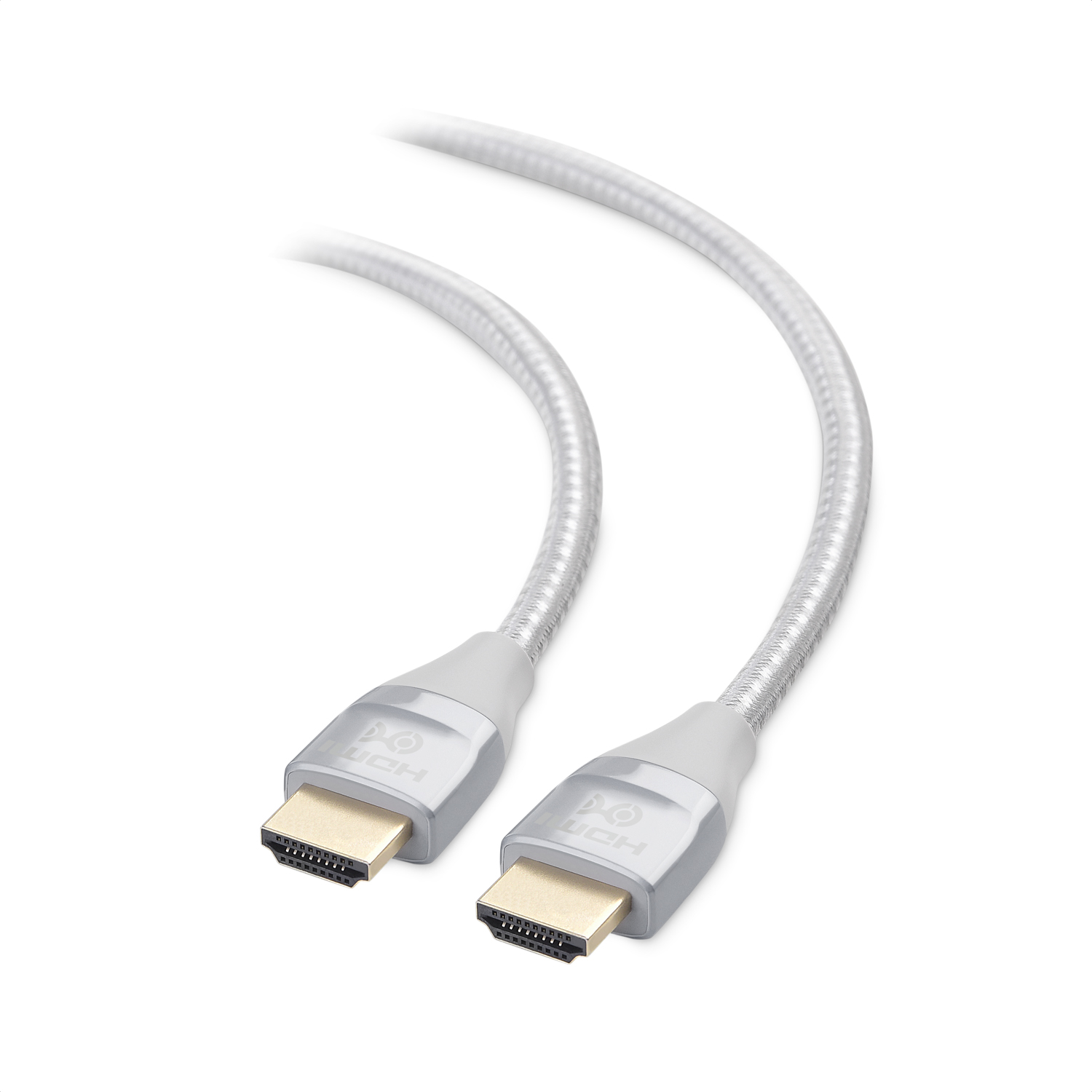
Important 48Gbps Ultra 8K HDMI® cable
How to use DisplayPort audio
Device and cable requirements
Although the DisplayPort specification allows audio to be transmitted over a DisplayPort cable and connection, it is not always implemented by hardware manufacturers. Dedicated graphics cards often provide full support for audio output over multiple DisplayPort outputs, but some laptop video outputs (for a second or more displays) may not allow this, so check your hardware specifications if you’re not sure. Additionally, always check your device settings to make sure audio over DisplayPort is enabled, and make sure your DisplayPort source device is configured to output audio and video signals.
If you have a device that supports audio output, you need a compatible DisplayPort cable (DisplayPort cables are backward compatible) and a supported monitor with built-in speakers or a headphone output that you will connect to separately. For optimal compatibility, connect to a DisplayPort monitor or other DisplayPort displays using standard DisplayPort cables and a standard DisplayPort connection. Make sure to use the appropriate standard DisplayPort socket for reliable signal transmission. With DisplayPort, audio and video are transmitted over a single cable, so you don’t need separate audio cables.
Use transformers and alternative connections
Alternatively, you can use a passive or active DisplayPort to HDMI adapter to connect a DisplayPort output to a compatible HDMI device, or an HDMI to DisplayPort adapter to connect an HDMI source to a DisplayPort display. Mini DisplayPort connectors can also be converted to full-sized DisplayPort connectors, and can take advantage of DisplayPort audio over Thunderbolt 3, which integrates the DisplayPort protocol into its technology. For USB-C connections, DisplayPort Alt Mode (DP Alt Mode) allows audio and video to be transferred to compatible devices and docks. Cable Matters sells DisplayPort cables for every connection.
Troubleshoot audio output problems
If there are other audio devices connected to the system, such as dedicated speakers or a VR headset, you may find that sound still isn’t coming through your DisplayPort configuration. To correct this issue on Windows, search for Audio settings in the Windows search box, and then use the drop-down menu under Output devices to select the device you have connected via DisplayPort.
DisplayPort also supports Multi-Stream Transport (MST), allowing you to daisy-chain multiple monitors from a single port for advanced multi-monitor setups. When troubleshooting, be sure to check the video output settings as well as the audio configuration.
If you want to learn more about DisplayPort technology, we have a number of articles that delve into the refresh rates it supports, the key differences between DisplayPort versions, and more.
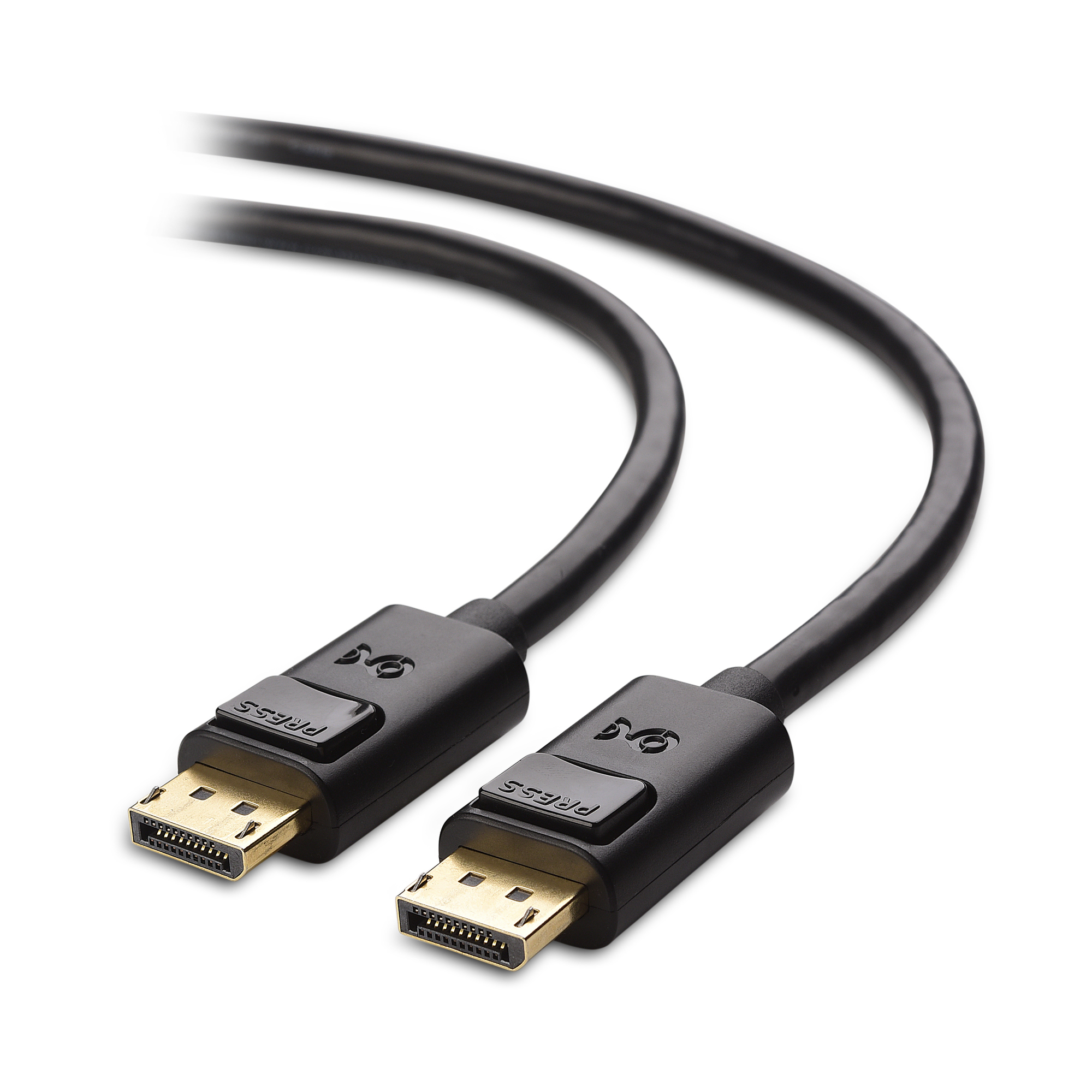
Cable Issues: DisplayPort 1.4 cable
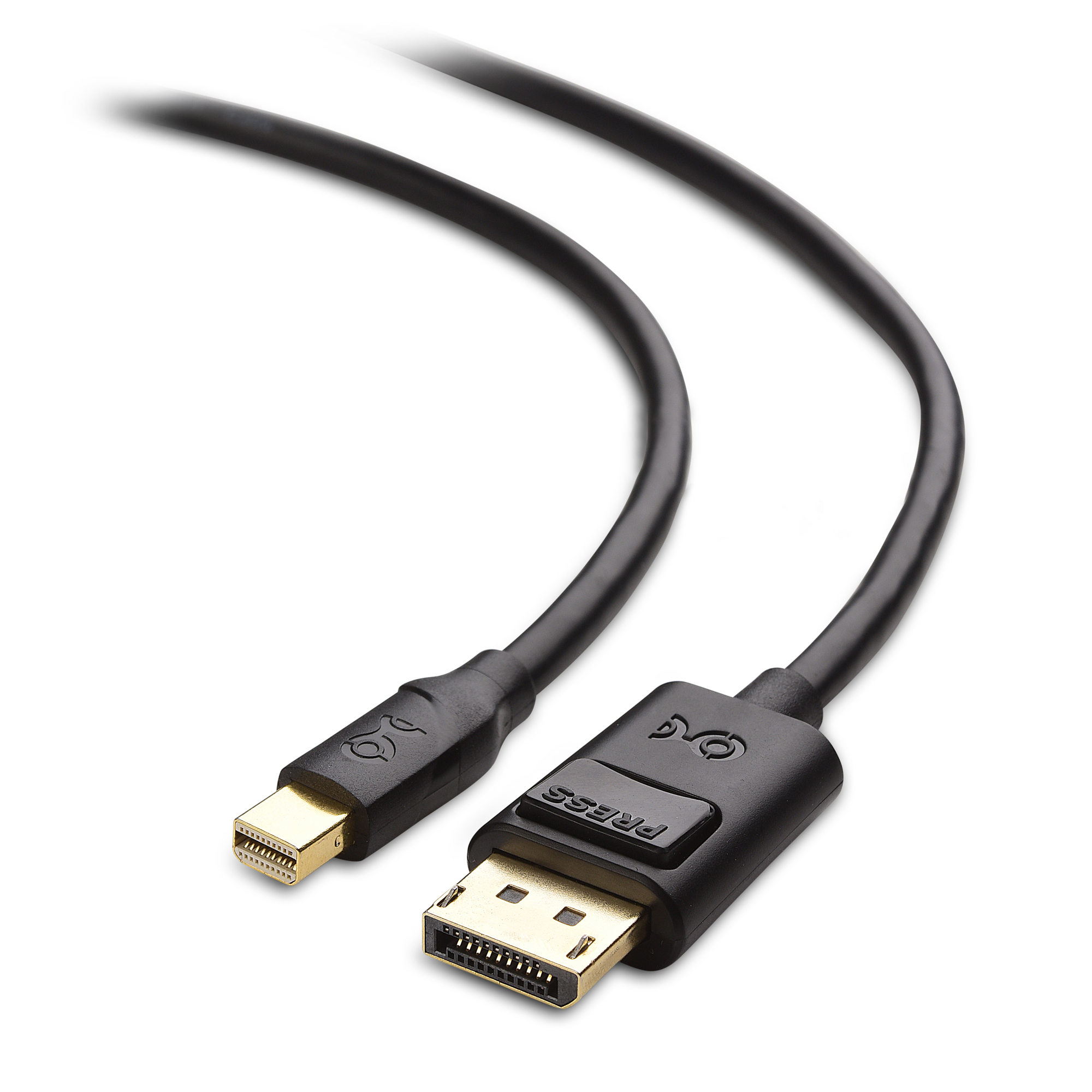
Matters Mini DisplayPort 1.4 to DisplayPort 1.4 Cable
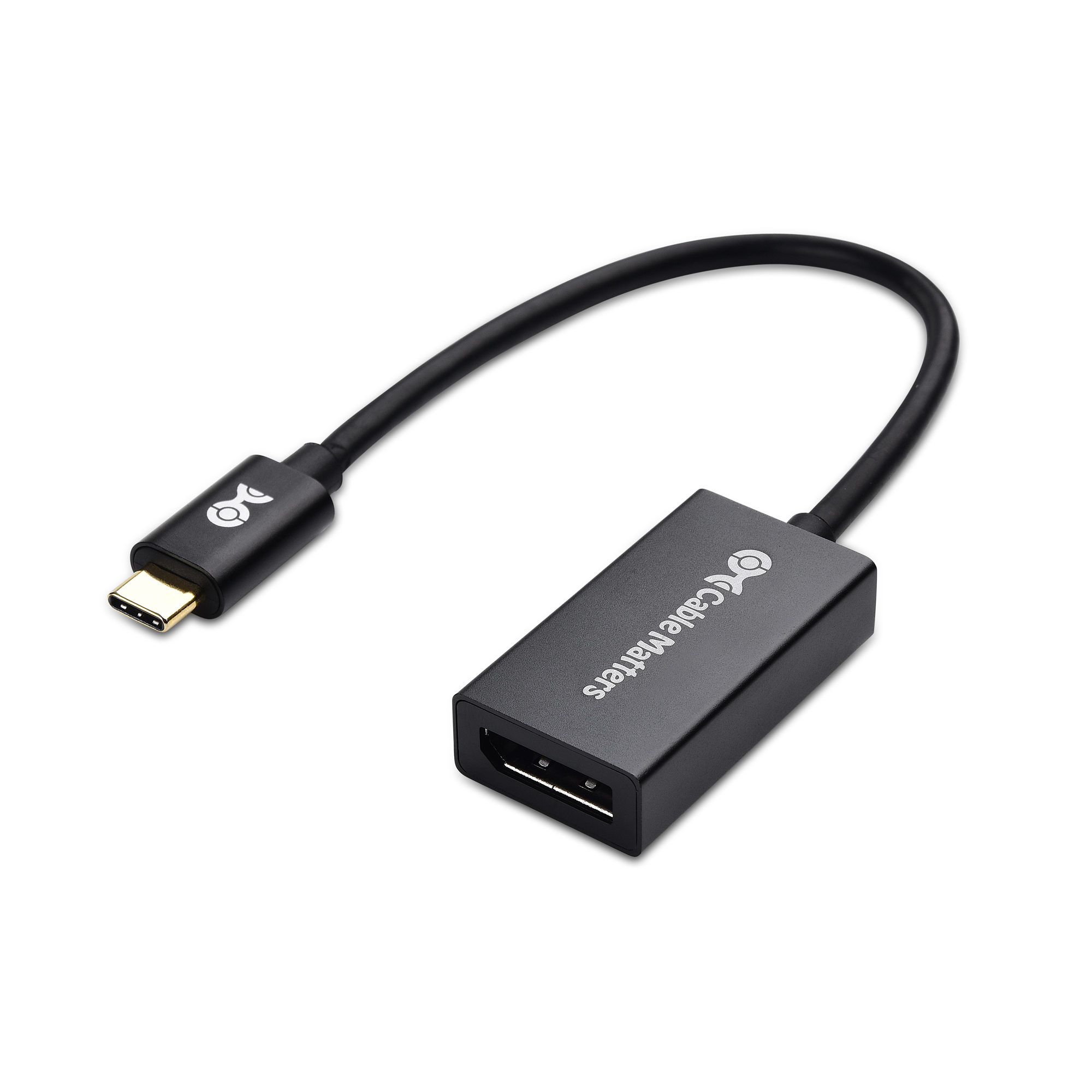
Important cable for USB-C to DisplayPort 1.4 adapter
DisplayPort adapter and compatibility
The importance of choosing the appropriate transformer
DisplayPort adapters are essential tools for connecting devices with different video and audio interfaces, such as HDMI, DVI, or VGA. When it comes to DisplayPort audio, the right adapter can make a big difference in transferring high-quality audio signals from your DisplayPort output to an HDMI input or another display device. This is especially important for users who want to enjoy immersive audio playback on monitors, TVs, or projectors that may not have a native DisplayPort input.
Active versus passive transformers
Not all DisplayPort adapters are created equal, especially when it comes to transmitting audio. To make sure your setup supports audio, it’s important to choose an active DisplayPort to HDMI adapter. Active adapters are designed to carry video and audio signals, making them ideal for connecting your DisplayPort output to the HDMI input on your display or AV receiver. On the other hand, passive adapters may only support video and often do not support audio output, so always check the adapter specifications before purchasing.
Compatibility considerations
Compatibility doesn’t stop at the adapter. Your DisplayPort cable must also support audio transmission, and your source device — such as a game console, graphics card, or laptop — needs to support DisplayPort audio output. Additionally, the version of DisplayPort you use can affect the number of audio channels and types of audio formats supported. For example, DisplayPort 1.4 can handle up to 32 channels of audio, supporting advanced multi-channel audio settings, while HDMI 2.1 supports up to 16 channels. This makes DisplayPort a strong choice for users looking for advanced audio features and multi-channel audio experiences.
Supported audio formats and troubleshooting
When using a DisplayPort adapter, it’s also important to consider which audio formats your devices support. DisplayPort audio transmission is compatible with a wide range of formats, including Dolby Digital, DTS HD Master Audio and Dolby Atmos, enabling immersive sound for movies, games and music. However, not every device or adapter will support all of these formats, so it is wise to check your device’s documentation to ensure compatibility with your desired audio output.
If you’re having problems playing audio, start by checking your audio settings to make sure you’ve selected the correct output device. Updating your graphics card drivers or system chipset drivers can also resolve many compatibility issues. For more complex setups, consulting the manufacturer’s documentation or online resources can provide additional troubleshooting tips and help you get the most out of your DisplayPort audio setup.
In short, DisplayPort adapters are a key component in achieving seamless compatibility and transferring high-quality audio between devices. By selecting the right DisplayPort to HDMI adapter, making sure your cables and devices support the audio, and checking compatibility with your preferred audio formats, you can unlock the full potential of DisplayPort audio – including support for immersive multi-channel audio technologies like Dolby Atmos and DTS HD Master Audio. Whether you’re connecting gaming consoles, setting up multiple monitors, or upgrading your home theater, understanding DisplayPort adapter compatibility ensures you get the best possible audio experience from your consumer electronics.
DisplayPort Audio FAQ
Is DisplayPort better than HDMI in sound quality?
DisplayPort generally supports higher numbers of audio channels and sample rates, making it ideal for professional, multi-channel audio setups. However, HDMI offers features such as Audio Return Channel (ARC) and Enhanced ARC (eARC), which are useful for home theater systems. The best option depends on your specific audio needs and device compatibility.
Does DisplayPort support Dolby Atmos?
Yes, DisplayPort supports advanced audio formats including Dolby Atmos, provided the connected devices and DisplayPort version are compatible with these immersive audio technologies.
Does DisplayPort need special cables for audio?
No special cables are needed to transmit audio via DisplayPort. Standard DisplayPort cables and standard DisplayPort sockets support simultaneous transmission of audio and video. However, using high-quality certified cables ensures reliable audio playback.
Does USB-C to DisplayPort transmit audio?
Yes, USB-C to DisplayPort connections support audio transmission through DisplayPort Alt Mode (DP Alt Mode), allowing audio and video to be transmitted simultaneously over a single USB-C cable to compatible devices.
Why is there no sound through my DisplayPort?
Common causes include incorrect audio settings (check the speaker icon and audio settings to select DisplayPort as the audio output), incompatible or passive adapters that do not support audio, monitors that do not have built-in speakers, outdated drivers, or defective cables. Ensuring proper configuration and hardware compatibility will usually resolve this issue.