Electrical Safety Checklist for Nashville, TN Homeowners
# Electrical Safety Checklist for Nashville, TN Homeowners
Nashville homes span everything from charming East Nashville bungalows and Sylvan Park cottages to newer builds in Bellevue and Nolensville. That variety is part of what makes living in Middle Tennessee great—but it also means electrical systems can vary widely in age, capacity, and safety.
Whether you’re dealing with an older panel, DIY “add-ons” from previous owners, or storm-season power issues, the best time to focus on electrical safety is before something fails. Below is a Nashville-specific, homeowner-friendly guide to preventing shocks, reducing fire risk, and keeping your system reliable—without guessing.
---
Why electrical safety matters in Nashville homes
Nashville’s mix of older housing stock and rapid renovations creates a few common safety challenges:
- Older wiring & panels in neighborhoods like Lockeland Springs, 12 South, and Green Hills (especially homes built before the 1980s)
- Humidity and temperature swings that stress outdoor connections, HVAC circuits, and garage wiring
- Storm season outages and power surges—especially during spring thunderstorms
- Added electrical load from EV chargers, home offices, hot tubs, and upgraded kitchens
Electrical safety isn’t only about avoiding a fire—it’s also about preventing nuisance tripping, damaged appliances, and unsafe “workarounds” like overloaded power strips.
---
The Nashville homeowner’s electrical safety checklist (quick wins)
Start with these basic steps you can do today:
- Test smoke alarms monthly and replace batteries twice a year.
- Test GFCI outlets (kitchen, bath, garage, outdoors) monthly using the “TEST” and “RESET” buttons.
- Check cords and plugs for heat damage, cracking, or loose blades.
- Keep electrical panels accessible—no storage stacked in front.
- Use surge protection for sensitive electronics and consider whole-home protection.
- Avoid space heater overloads (plug directly into a wall outlet, never a power strip).
If any step reveals a problem (outlet won’t reset, burning smell, flickering, warm plates), stop using that circuit and schedule a professional inspection.
---
Know the top warning signs (don’t ignore these)
Some symptoms are inconvenient; others can be urgent. Call a licensed electrician if you notice:
- Frequent breaker trips (especially on normal use)
- Flickering or dimming lights when HVAC, microwave, or washer starts
- Warm outlets/switches or discolored cover plates
- Buzzing, crackling, or sizzling from outlets, switches, or the panel
- Burning odor (shut off the circuit and call immediately)
- Loose outlets (plugs fall out easily)
- Shocks or tingles when touching appliances or switches
In Nashville’s older homes, repeated breaker trips are often a sign the circuit is undersized for modern loads or connections are deteriorating.
---
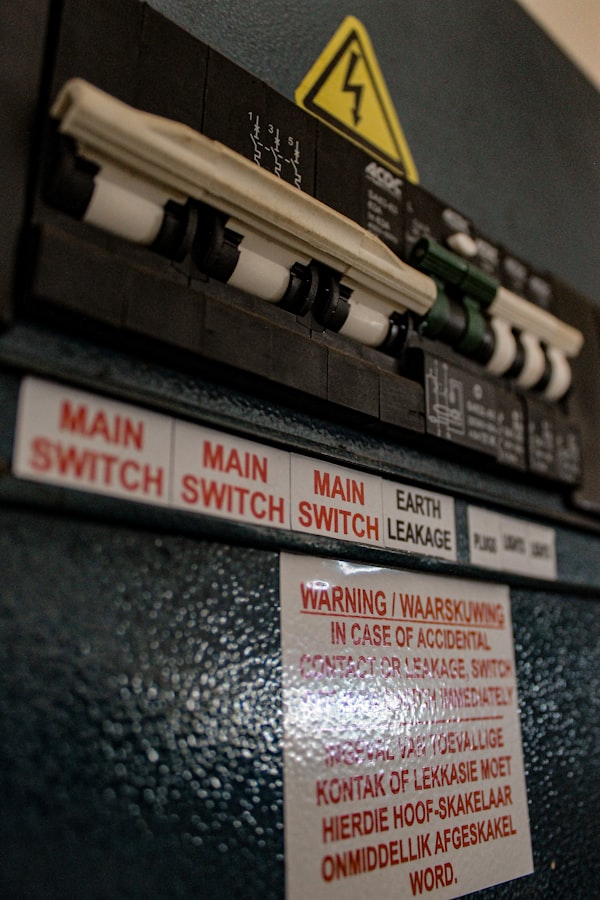
Electrical panel safety: what Nashville homeowners should check
Your electrical panel is the system’s “control center.” A few practical checks:
1) Make sure breakers are labeled accurately
Accurate labels help you shut off power quickly in an emergency. If labels are missing or wrong, ask an electrician to map the circuits.
2) Watch for heat, corrosion, or moisture
In Middle Tennessee, basements, garages, and utility rooms can be humid. Look for:
- Rust or corrosion on the panel cover
- Water stains nearby
- A musty smell or signs of condensation
3) Avoid DIY panel work
Even removing a panel cover can expose energized components. Homeowners can visually inspect the exterior but should leave internal evaluation and torque checks to a professional.
Typical Nashville pricing ranges (panel-related)
Costs vary by home size, amperage, and code requirements, but here are realistic local ranges:
| Service | Typical Nashville Range* | Notes |
| Electrical safety inspection | $150–$350 | Often includes basic testing & recommendations |
| Whole-home surge protector | $300–$700 | Device + installation; panel dependent |
| Panel repair / breaker replacement | $150–$600+ | Depends on breaker type and diagnostics |
| Panel upgrade (100A → 200A) | $2,500–$5,500+ | Utility coordination and permitting may apply |
\*Ranges are estimates for Nashville-area homes and can change based on scope, access, and parts.
---
GFCI and AFCI protection: the safety devices many homes still lack
Modern electrical codes use protective devices designed to prevent shock and reduce fire risk.
GFCI (Ground Fault Circuit Interrupter)
GFCIs protect people from shock in damp or wet locations. In a Nashville home, they’re commonly required in:
- Kitchens (countertop outlets)
- Bathrooms
- Garages
- Outdoors (patios, porches)
- Unfinished basements
- Near wet bars, utility sinks, and laundry areas
Homeowner tip: If an outdoor receptacle trips during rain, don’t ignore it. It may indicate moisture intrusion in a weather cover, a failing receptacle, or a compromised connection.
AFCI (Arc Fault Circuit Interrupter)
AFCIs help detect dangerous arcing (a common ignition source). They’re common/required in many living areas in newer builds and remodels.
Practical note for older Nashville homes: Adding AFCI protection can sometimes reveal existing wiring issues (loose neutral, shared neutrals, older device connections). That’s not a nuisance—it’s the device doing its job.
---
Safe outlet and extension cord habits (what we see most often)
Avoid “daisy-chaining” power strips
Plugging a power strip into another power strip is a frequent hazard—especially in home office setups.
Safer options:
- Add a new dedicated circuit for office equipment
- Install additional outlets where you actually need them
- Use a single, quality surge protector (UL-listed) sized for the load
Don’t run cords under rugs
In high-traffic areas (like living rooms and hallways), cords under rugs can overheat or get damaged.
Replace loose or damaged outlets
If a plug doesn’t fit snugly, it can arc. That arcing can overheat the receptacle.
Homeowner tip: A loose outlet is not “normal wear.” It’s a repair item.
---
Kitchen and laundry safety: Nashville’s high-load zones
Kitchens and laundry rooms are where we see many overload and nuisance-trip complaints—especially after renovations.
Kitchen best practices
- Microwave, toaster oven, and air fryer should not share a heavily used circuit.
- If your lights dim when the microwave starts, you may have circuit loading issues.
- Make sure countertop outlets are GFCI-protected and properly spaced for real-world use.
Laundry best practices
- Electric dryers require a dedicated circuit; never “adapt” a plug.
- If you smell hot lint or hot electrical plastic near the dryer outlet, stop using it and get it checked.
---
HVAC, attic, and crawlspace wiring: the hidden risks
In Nashville, HVAC systems work hard through hot summers and humid shoulder seasons. Wiring issues can hide in attics and crawlspaces.
What to look for (visual-only homeowner checks)
- Junction boxes with missing covers
- Splices outside of an electrical box
- Wiring draped across sharp metal edges
- Evidence of pests (chewed insulation)
If you see anything questionable, it’s worth scheduling a professional evaluation—especially before peak cooling season.
---
Outdoor electrical safety for Tennessee weather
Between thunderstorms, heavy rain, and backyard entertaining season, outdoor electrical safety matters.
Use proper “in-use” weather covers
A simple flip-lid cover isn’t enough when cords are plugged in during rain. A true in-use cover protects the connection.
Protect landscaping and pool equipment circuits
- Ensure outlets are GFCI protected
- Avoid using indoor-rated extension cords outdoors
- Keep cords away from standing water and sprinkler zones
Surge protection is worth it in storm season
Nashville storms can bring voltage spikes that damage TVs, routers, and smart appliances.
Practical upgrade: A whole-home surge protector at the panel plus point-of-use protectors for sensitive electronics.
---
Safe DIY vs. when to call a licensed electrician
Some homeowner tasks are reasonable; others can create real risk (and code issues).
Generally safe homeowner tasks
- Replacing light bulbs (with power off at the switch)
- Testing GFCIs and smoke alarms
- Resetting a tripped breaker once (if you know the cause)
Call a pro for these
- Installing/relocating outlets or switches
- Breaker or panel work
- Adding circuits for appliances, EV chargers, hot tubs, or workshops
- Any burning smell, buzzing, or visible arcing
- Repeated breaker trips with no clear cause
Nashville-area electrical work often requires code compliance and, depending on scope and location, permitting/inspection. A licensed electrician helps ensure safety and avoids resale or insurance headaches.
---
Child- and pet-proofing: practical steps that actually help
If you have small kids or curious pets:
- Install tamper-resistant (TR) receptacles where needed
- Use outlet covers only if the receptacles are not tamper-resistant
- Keep cords managed with cord channels (especially behind TVs)
- Avoid dangling charger cords near pets that chew
TR receptacles are a long-term solution that looks clean and doesn’t rely on plastic caps.
---
Lighting safety: overheating, flicker, and fixture compatibility
Lighting issues are common in renovated Nashville homes where fixture styles change but wiring stays old.
LED compatibility matters
If LEDs flicker or hum:
- Confirm the dimmer is LED-rated
- Verify the bulb is dimmable
- Check for loose neutrals or poor connections if flicker persists
Watch for overheated recessed lights
Older can lights may not be insulation-contact rated. In attic spaces, improper insulation contact can lead to overheating.
---
A simple home electrical safety schedule (Nashville-friendly)
Use this table to stay ahead of issues:
| Frequency | What to do | Why it matters |
| Monthly | Test GFCIs, check for warm outlets | Early detection of failure or moisture issues |
| Twice per year | Change smoke alarm batteries, inspect cords | Seasonal check before heavy HVAC use |
| Yearly | Professional electrical safety inspection (especially older homes) | Finds hidden connection and load problems |
| After storms/outages | Check for tripped breakers, surge protector status | Surges can damage devices and wiring |
If your home is 30+ years old (common across Nashville), a yearly check is a smart baseline.
---
What an electrical safety inspection typically includes
A professional inspection from a licensed electrician often covers:
- Panel condition, breaker sizing, and visible wiring concerns
- Grounding/bonding review
- Outlet testing (polarity, grounding, GFCI/AFCI where applicable)
- Load considerations for major appliances and HVAC
- Identification of DIY or non-compliant work
You’ll typically receive a prioritized list: urgent safety items, recommended upgrades, and optional improvements.
---
Nashville-specific scenarios we see (and how to handle them)
Older remodels with “creative” wiring
In popular renovation areas, we sometimes find overloaded circuits and hidden splices. If you’ve bought a recently flipped home, it’s wise to schedule an inspection.
Home offices and media rooms
Multiple monitors, network gear, and AV equipment can overload older circuits. A dedicated circuit plus surge protection is often the clean fix.
EVs, hot tubs, and workshop tools
These additions increase demand. The safest approach is to add a properly sized dedicated circuit and verify your panel has capacity.
---
Get help from an IBEW-certified Nashville electrician
Electrical safety is one of those areas where small warning signs can point to larger problems. If you’re experiencing frequent trips, flickering lights, warm outlets, or you simply want peace of mind—get a professional assessment.
Evolution Electric is a licensed, IBEW-certified electrical company serving Nashville and surrounding Middle Tennessee communities. We help homeowners identify safety issues, bring systems up to code, and plan smart upgrades that match how you actually live.
Call Evolution Electric at (615) 961-5930 to schedule an electrical safety inspection or to discuss upgrades like GFCI/AFCI protection, surge protection, outlet repairs, and panel improvements.
Evolution Electric Team
Licensed Electricians | State of Tennessee
With over a decade serving Nashville homeowners and businesses, our team of licensed electricians brings expert knowledge and hands-on experience to every project. We're committed to electrical safety, code compliance, and customer education.
Need Professional Electrical Help?
Evolution Electric serves Nashville and surrounding counties with licensed electricians. Call for a project consultation today.