Hire a Licensed Electrician in Nashville, TN: Key Signs
Hiring an electrician isn’t just about getting the lights back on—it’s about protecting your home, your business, and everyone inside. In Nashville, where you’ll find everything from historic East Nashville bungalows to new-builds in Bellevue and fast-growing commercial spaces around The Gulch, electrical systems vary widely in age and complexity. Knowing when to hire a licensed electrician can prevent costly damage, code violations, failed inspections, and even fires.
This guide covers the most common situations in Nashville where calling a professional is the safest (and often most cost-effective) move, what to expect for pricing, and how to choose the right electrical contractor.
Why “licensed” matters in Nashville (and what it protects you from)
Tennessee electrical work isn’t a DIY free-for-all. A licensed electrician is trained to follow safety standards, National Electrical Code (NEC) requirements, and applicable local rules. In Nashville and surrounding Middle Tennessee communities, licensed work is especially important because:
- Older housing stock is common (12 South, Sylvan Park, Inglewood, East Nashville), and older wiring methods and panels can require specialized evaluation.
- Storm season and power events can stress systems (summer lightning, fallen limbs, neighborhood outages).
- Renovations and additions are frequent—kitchens, finished basements, DADUs, and office build-outs—often triggering code and permitting requirements.
- Insurance and resale can be impacted by unpermitted or non-code electrical work.
A licensed, IBEW-certified team like Evolution Electric helps ensure work is safe, compliant, and built to last.
The clearest signs you should hire a licensed electrician now
If you notice any of the issues below, treat them as a priority. Electrical problems often worsen quietly until something fails.
1) Breakers trip frequently or fuses blow repeatedly
Occasional tripping can happen, but repeated trips typically mean:
- Circuits are overloaded (common with modern appliances on older wiring)
- A short circuit or ground fault exists
- A breaker is failing or improperly sized
- A high-demand device needs a dedicated circuit
Practical tip: If a breaker trips more than once a month—or immediately when you reset it—stop using that circuit and call an electrician.
2) Lights flicker, dim, or surge (especially with appliances)
Flickering can be as simple as a loose bulb, but Nashville homeowners often discover deeper issues such as:
- Loose connections at switches, fixtures, or the panel
- Shared neutrals or failing neutrals (serious safety risk)
- Undersized circuits feeding heavy loads
- Service or meter connection problems
Red flag: Lights dimming when the HVAC kicks on or when a microwave runs can indicate load or connection problems that should be checked.
3) Burning smells, warm outlets, or discoloration
These are classic warning signs of overheating. Causes can include:
- Loose terminal connections
- Backstabbed receptacles failing over time
- Damaged wiring insulation
- Overloaded circuits
If you smell burning plastic or see scorched outlets/switch plates, turn off the circuit at the panel and call a licensed electrician immediately.
4) Buzzing, crackling, or popping sounds
Electricity should be silent. Sounds can indicate arcing or loose connections:
- Buzzing from a panel or breaker
- Crackling at outlets or switches
- Popping from fixtures
Arcing can ignite surrounding materials—especially in older homes with dry framing.
5) You rely heavily on extension cords or power strips
If your living room, office, or kitchen depends on power strips for everyday use, your system may not have enough receptacles or circuits.
A licensed electrician can add:
- Additional outlets (including USB-C)
- Dedicated circuits for office equipment
- Safer load distribution
6) Outlets that are loose, sparking, or “dead”
Loose outlets can damage plugs and create heat at the connection. Sparking (beyond a small, occasional static-like spark) is not normal.
Practical tip: If a receptacle won’t hold a plug tightly, replace it—don’t ignore it.
7) You have an older electrical panel or limited capacity
Many Nashville homes—especially those remodeled in stages—end up with panels that are undersized for today’s electrical demand. Common indicators include:
- No room for new breakers
- Multiple tandem breakers as a workaround
- Frequent tripping under normal use
- Plans to add EV charging, a hot tub, or a finished space
A licensed electrician can assess whether you need a panel upgrade, a subpanel, or load management.
Projects in Nashville that almost always require a licensed electrician
Some work is unsafe (and sometimes illegal) to do without a professional. Here are high-value, common projects where hiring a licensed electrician pays off.
Electrical panel repairs and service upgrades
A service upgrade may be needed if you’re adding major loads or your current service is outdated.
Common Nashville triggers:
- Adding an EV charger
- Switching to an electric range or heat pump
- Building an addition or finishing a basement
- Opening walls for a kitchen remodel
New circuits for major appliances
Modern appliances often need dedicated circuits. Examples:
- HVAC equipment
- Electric ranges/ovens
- Dryers
- Tankless water heaters
- Sump pumps
- Home office circuits (servers, multiple monitors)
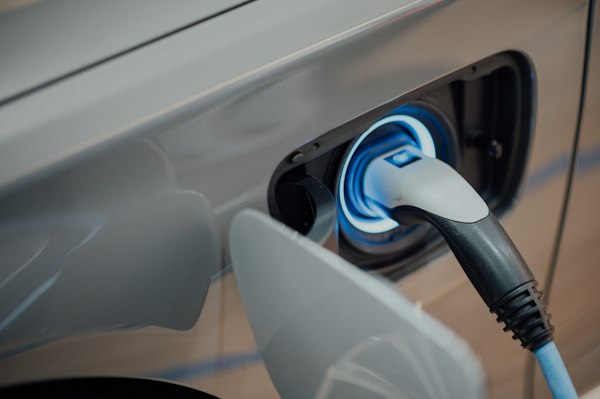
EV charger installation
Even if a charger seems “simple,” the load is significant and must be installed safely with correct breaker sizing, conductor sizing, and proper grounding/bonding.
Generator or backup power connections
Backfeeding a panel without a proper interlock or transfer switch is extremely dangerous and can endanger utility workers.
Hot tubs, pools, and outdoor circuits
Outdoor electrical work in Tennessee must handle moisture, corrosion, and proper protection. Projects often need:
- GFCI protection
- Proper burial depth and conduit
- Weather-rated enclosures
- Bonding requirements
Lighting upgrades and rewiring
From recessed lighting to chandeliers, improper installation can overload circuits, cause flicker, or create unsafe connections.
Commercial electrical work and tenant build-outs
For Nashville businesses—restaurants, retail, offices—common reasons to hire a licensed electrician include:
- Code-compliant lighting and emergency egress lighting
- Dedicated circuits for kitchen equipment
- Panel changes or subpanels for new tenants
- Troubleshooting nuisance trips impacting operations
Nashville-specific situations where electrical problems commonly show up
Nashville has a mix of home types and neighborhood builds, and some electrical issues show up more often in certain scenarios.
Renovated historic homes (East Nashville, Germantown, 12 South)
Renovations can leave behind “layered” electrical work: older wiring mixed with newer circuits. A licensed electrician can:
- Verify safe connections between old and new systems
- Ensure correct grounding
- Reduce overloaded circuits as you modernize kitchens and baths
Newer homes with added tech (Bellevue, Antioch, Mount Juliet area)
Even newer homes can run into issues once you add:
- EV charging
- Smart home gear
- A second fridge/freezer
- A home office with heavy loads
A load calculation can prevent tripping and help plan circuits correctly.
Storm-related damage and surges
Middle Tennessee storms can cause:
- Surge damage to appliances
- Water intrusion into exterior fixtures
- Tree-related service line issues
After any major power event, it’s smart to schedule an inspection if you notice flickering, dead circuits, or tripping breakers.
Typical electrician pricing in Nashville: what to expect
Prices vary by complexity, access, and materials. Below are typical Nashville-area ranges homeowners and small businesses often see.
| Service (Nashville, TN) | Typical Price Range | Notes |
| Diagnostic/troubleshooting visit | $150–$350 | May apply toward repair in some cases |
| Replace standard outlet/switch | $150–$300 | GFCI/AFCI or specialty devices may cost more |
| Add a new outlet (existing circuit) | $250–$600 | Depends on wall access and distance |
| Install ceiling fan/light fixture | $200–$600 | High ceilings or new bracing increases cost |
| Add a dedicated circuit | $450–$1,200 | Panel capacity and run length are key factors |
| Panel repair (minor) | $250–$900 | Loose lugs, breaker replacement, corrections |
| Electrical panel upgrade | $2,000–$5,500 | Service size, scope, grounding, materials |
| Whole-home surge protector | $300–$900 | Often installed at the panel |
| EV charger installation | $600–$2,500 | Depends on distance and electrical capacity |
Practical tip: The cheapest quote is not always the best value. Ask what’s included (permits, materials quality, labeling, testing, warranty).
Safety and code: when DIY crosses the line
Some homeowners handle basic tasks, but many electrical projects create real risk:
- Fire hazard from loose connections
- Shock hazard from energized conductors
- Improper grounding/bonding
- Incorrect breaker sizing and wire gauge mismatch
- Hidden damage inside walls or junction boxes
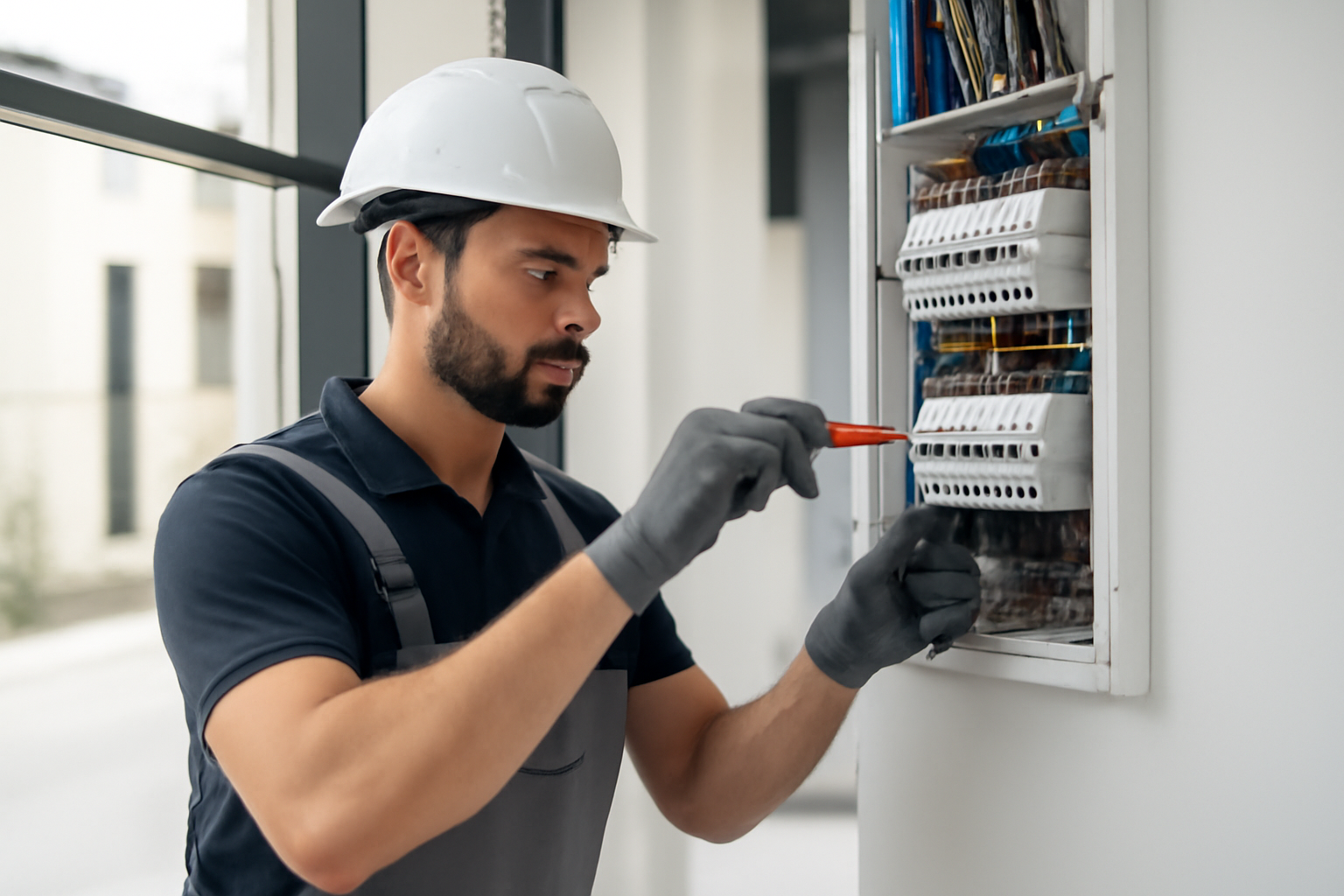
If the job involves the electrical panel, new circuits, aluminum wiring corrections, outdoor wiring, or anything you’re unsure about, hiring a licensed electrician is the responsible call.
When an inspection is smarter than a repair
Sometimes you don’t have a clear “broken” symptom, but you have reason to suspect risk. Consider scheduling an electrical inspection if:
- You’re buying or selling a home in Nashville
- You’ve had a recent insurance claim involving power/smoke/water
- You’re planning a remodel that adds electrical load
- Your home is 25+ years old and has never had a panel check
- You notice mixed electrical “patchwork” from multiple past renovations
An inspection can identify issues early—before drywall repairs, appliance replacement, or emergency calls.
How to choose the right licensed electrician in Nashville
Not all contractors operate the same way. Use this checklist when hiring:
Ask about licensing, training, and local experience
Look for:
- Clear licensing and credentials
- Proven experience with Nashville-area homes and commercial spaces
- Familiarity with common local build styles (old + new)
Get a clear, written scope of work
A professional estimate should outline:
- What will be installed/repaired
- Materials and device types (standard vs. commercial grade)
- Whether any drywall repair is included or excluded
- Timeline and scheduling expectations
Confirm safety testing and labeling
Quality electrical work includes:
- Circuit verification/testing
- Proper panel labeling
- GFCI/AFCI verification where applicable
- Load considerations for future needs
Watch for red flags
Avoid contractors who:
- Suggest bypassing safety devices
- Won’t pull permits when required
- Give vague pricing without explaining scope
- Recommend “quick fixes” for recurring tripping
Practical tips to reduce electrical problems between service calls
These steps won’t replace an electrician, but they can reduce nuisance issues and improve safety:
- Don’t plug space heaters into power strips; use a wall outlet only.
- If you trip breakers often, stop resetting repeatedly—identify the load.
- Replace missing/broken cover plates (exposed wiring is a hazard).
- Keep outdoor outlets covered and use weather-rated in-use covers.
- Consider a whole-home surge protector to protect HVAC boards and electronics.
Common Nashville scenarios: should you hire a licensed electrician?
Use these quick “yes/no” examples.
“I’m remodeling my kitchen in Green Hills.”
Yes. Kitchens require dedicated circuits, code-compliant protection, and proper load planning.
“My breaker trips when I run the microwave and toaster.”
Yes. Likely an overloaded circuit or wiring issue; a dedicated circuit may be needed.
“I want to add a ceiling fan in my bonus room.”
Usually yes, especially if new wiring, proper bracing, or switch changes are needed.
“My office in Downtown Nashville needs more power for equipment.”
Yes. Commercial loads, code requirements, and business continuity make this a pro job.
“I smell burning near an outlet.”
Yes—immediately. Shut off the circuit and call.
Work with Evolution Electric (licensed, IBEW-certified in Nashville)
If you’re seeing warning signs like flickering lights, frequent breaker trips, warm outlets, or you’re planning an upgrade that involves new circuits, a panel change, EV charging, or outdoor electrical work, it’s time to bring in a professional.
Evolution Electric is a licensed, IBEW-certified electrical company serving Nashville and the surrounding Middle Tennessee area. We help homeowners and businesses troubleshoot issues, modernize electrical systems, and complete code-compliant installations with safety and long-term reliability in mind.
Call Evolution Electric today at (615) 961 5930 to schedule a diagnostic visit or request an estimate.
Evolution Electric Team
IBEW Certified Electricians | Licensed by State of Tennessee
With over a decade serving Nashville homeowners and businesses, our team of licensed, IBEW-certified electricians brings expert knowledge and hands-on experience to every project. We're committed to electrical safety, code compliance, and customer education.
Need Professional Electrical Help?
Evolution Electric serves Nashville and surrounding counties with licensed, IBEW-certified electricians. Get your free quote today.