Dedicated Circuits for Home Appliances in Nashville, TN
Keeping your home’s electrical system safe and reliable isn’t just about having enough outlets—it’s about having the right circuits for the right loads. One of the most common issues we see in Nashville-area homes (from older bungalows in East Nashville to newer builds in Williamson County) is appliances sharing circuits that were never designed to handle modern demand.
A dedicated circuit is a circuit that serves a single appliance (or a single specific load) and nothing else. This simple concept prevents nuisance breaker trips, reduces overheating risk, and helps your home meet modern electrical code requirements.
Below is a comprehensive, homeowner-friendly guide to dedicated circuits: what they are, which appliances typically need them, what the installation process looks like in the Nashville area, and what it may cost.
What is a dedicated circuit?
A dedicated circuit is an electrical circuit that runs from your main electrical panel to one appliance or piece of equipment, with:
- Its own breaker in the panel
- No other outlets or fixtures connected to that circuit
- Wire sized appropriately for the appliance’s amperage draw
In practical terms, dedicated circuits help ensure your appliance gets stable power without competing with other loads (like a microwave + toaster + coffee maker all running at once).
Dedicated circuit vs. “individual branch circuit”
You may hear electricians use the term individual branch circuit (NEC terminology). For homeowners, it generally means the same thing: a circuit that supplies only one utilization equipment.
Why dedicated circuits matter in Nashville homes
Nashville has a huge range of housing stock:
- Historic and mid-century homes in neighborhoods like Sylvan Park, 12 South, and Inglewood may have smaller panels, fewer circuits, and previous DIY changes.
- Rapid-growth areas like Antioch, Donelson, Mount Juliet, and Franklin often have newer systems—but homeowners add high-demand loads (EV chargers, garage freezers, hot tubs) faster than the original design anticipated.
Dedicated circuits are one of the most cost-effective ways to improve safety and performance without immediately jumping to a full service upgrade.
Key benefits of dedicated circuits for appliances
Dedicated circuits aren’t just “nice to have.” They address real safety and usability issues.
1) Fewer breaker trips and power interruptions
When multiple appliances share a circuit, the breaker can trip during peak usage—often at the worst time (holiday cooking, guests over, etc.). Dedicated circuits reduce nuisance trips.
2) Reduced overheating and fire risk
Overloaded circuits can cause:
- Warm outlets or switch plates
- Flickering lights
- Burning odors
- Discolored receptacles
Even if a breaker doesn’t trip, repeated stress on wiring and connections can create heat buildup over time. Dedicated circuits reduce this risk by limiting load.
3) Better appliance performance and longevity
Voltage drop and fluctuating loads can make some appliances work harder (especially motors and compressors). Dedicated circuits provide more stable power.
4) Helps meet modern code and inspection expectations
Many appliances require dedicated circuits under common interpretations of the National Electrical Code (NEC) and manufacturer instructions. If you’re remodeling, selling, or pulling permits in the Nashville area, properly dedicated circuits often come up in inspection.
Appliances that typically need dedicated circuits
Not every device requires a dedicated circuit, but many major appliances do—especially anything with heating elements, compressors, or large motors.
Below is a practical guide. (Always follow the appliance nameplate and manufacturer instructions; those are effectively code requirements.)
Kitchen appliances
The kitchen is the most common “problem area” because it stacks multiple high-watt appliances in a small space.
#### Refrigerator
- Often recommended on a dedicated circuit to avoid spoiled food from nuisance trips.
- Typically 15A or 20A circuit depending on load and manufacturer.
#### Microwave (built-in or over-the-range)
- Frequently requires a dedicated 20A circuit.
#### Dishwasher
- Commonly 15A or 20A dedicated circuit.
#### Garbage disposal
- Often 15A or 20A; may be dedicated or paired with dishwasher depending on load, wiring, and local practice.
#### Electric range/oven/cooktop
- Usually requires a 240V dedicated circuit.
- Common breaker sizes: 40A, 50A, or per nameplate.
#### Built-in wine cooler or beverage fridge
- Often best on its own circuit in higher-end kitchens.
Laundry appliances
Laundry rooms in Nashville homes—especially in additions or converted spaces—are another frequent source of overloads.
#### Clothes dryer (electric)
- Requires a dedicated 240V circuit (commonly 30A).
#### Washing machine
- Typically 120V, often best on a dedicated 20A circuit.
HVAC and comfort systems
These loads are often already dedicated, but it’s worth confirming—especially after renovations.
#### Air conditioner / heat pump condenser
- Dedicated 240V circuit sized to the unit.
#### Air handler / furnace (blower)
- Typically dedicated.
#### Mini-split systems
- Usually dedicated circuit(s), depending on configuration.
Water heating and pumps
#### Electric water heater (tank)
- Usually dedicated 240V circuit (often 30A).
#### Tankless electric water heater
- Often requires multiple dedicated 240V circuits (high-demand).
#### Sump pump
- Strongly recommended on a dedicated circuit to reduce basement/crawlspace flooding risk.
Garage, workshop, and outdoor loads
#### Garage freezer / extra refrigerator
- Dedicated circuit recommended.
#### EV charger (Level 2)
- Requires a dedicated 240V circuit sized to charger output.
#### Hot tub / spa
- Dedicated circuit with GFCI protection, sized per manufacturer.
#### Pool equipment
- Dedicated circuits for pump/heater/controls; bonding requirements apply.
Quick reference table: common dedicated circuits
Note: These are typical ranges. Final sizing depends on nameplate ratings, wire length, installation method, and panel capacity.
| Appliance/Load | Typical Voltage | Common Breaker Size | Dedicated Circuit? |
| Refrigerator | 120V | 15A–20A | Recommended |
| Microwave (OTR/built-in) | 120V | 20A | Often required |
| Dishwasher | 120V | 15A–20A | Often required |
| Garbage disposal | 120V | 15A–20A | Often |
| Electric range/oven | 240V | 40A–50A | Required |
| Electric dryer | 240V | 30A | Required |
| Washer | 120V | 20A | Recommended |
| HVAC condenser | 240V | 20A–60A+ | Required |
| Electric water heater | 240V | 25A–30A | Required |
| Sump pump | 120V | 15A–20A | Strongly recommended |
| EV charger (Level 2) | 240V | 40A–60A+ | Required |
| Hot tub/spa | 240V | 40A–60A | Required |
Signs your appliances need dedicated circuits (or circuit rebalancing)
If you notice any of the following in your Nashville home, it’s worth having a licensed electrician evaluate your circuits:
- Breaker trips when the microwave and toaster run together
- Lights dim when the refrigerator or HVAC kicks on
- Warm outlets, buzzing sounds, or a burning smell near receptacles
- Extension cords used permanently for appliances
- The kitchen has “not enough outlets” so power strips are everywhere
- You remodeled the kitchen/laundry but didn’t add circuits
- A new appliance “keeps tripping the breaker”
A common Nashville scenario: the “one circuit kitchen”
We still see older homes—especially pre-1970 builds—where much of the kitchen is on one or two small-appliance circuits (or worse, mixed with lighting). Modern cooking loads can exceed those designs quickly.
How dedicated circuits are installed (what to expect)
Installing a dedicated circuit is usually straightforward, but it depends on your home’s layout and accessibility.
Step 1: Load evaluation and panel review
A professional will:
- Identify what’s currently on the circuit
- Check breaker size and wire gauge
- Verify panel capacity (available spaces and total load)
- Confirm grounding and bonding conditions
Step 2: Plan the circuit route
The electrician determines how to run cable from the panel to the appliance location:
- Through attic space (common in many Nashville homes)
- Through crawlspace (very common in Middle Tennessee)
- Through basement/unfinished areas
- In finished walls (may require drywall repair)
Step 3: Install breaker, wiring, and device connection
Depending on the appliance, this might involve:
- New breaker and appropriately sized conductor
- New receptacle (standard, GFCI, or special configuration like 240V)
- Hardwiring for appliances that require it
Step 4: Testing and labeling
A quality install includes:
- Verifying correct voltage and polarity
- Testing GFCI/AFCI protection where required
- Clearly labeling the breaker in the panel
Do dedicated circuits require GFCI or AFCI protection?
Sometimes. Requirements vary by location and the specific area of the home.
- Kitchens, garages, basements, outdoors, laundry areas often require GFCI protection for receptacles.
- Many living areas and certain circuits may require AFCI protection.
When we install dedicated circuits in Nashville homes, we evaluate what protection is required for the specific installation and ensure the right breaker/receptacle strategy.
Dedicated circuits and electrical panel capacity: do you need a panel upgrade?
Not always—but it’s a key question.
You may need a panel upgrade or subpanel if:
- Your panel is full (no open breaker spaces)
- Your service size is too small for added loads (common with major electrification)
- You have persistent issues with voltage drop or overheating
Practical tip
If you’re planning multiple upgrades (e.g., EV charger + induction range + hot tub), it’s smart to have an electrician do a whole-home load calculation before installing each circuit one by one.
Nashville-area pricing: what does a dedicated circuit cost?
Pricing depends on distance from panel, accessibility, required protection (GFCI/AFCI), drywall repair, and whether the circuit is 120V or 240V.
Here are realistic Nashville-area price ranges homeowners often see for professional installation:
- Basic 120V dedicated circuit (short run, accessible): $350–$750
- 120V circuit with GFCI/AFCI requirements or longer run: $550–$1,100
- 240V dedicated circuit for dryer/range (typical run): $650–$1,500
- High-demand 240V circuit (EV charger/hot tub) with longer routing: $900–$2,500+
- Subpanel addition (when panel is full): $1,500–$3,500+
Important: These are general ranges for the Nashville region. The most accurate number comes from an on-site evaluation—especially in older homes where routing can be more complex.
DIY vs. hiring a licensed electrician in Tennessee
Homeowners sometimes ask if they can add a dedicated circuit themselves. Beyond safety, the biggest issues are:
- Correct wire sizing and breaker selection
- Proper torque on terminations (loose connections create heat)
- GFCI/AFCI compliance
- Safe routing and protection of cable
- Panel work hazards
- Permitting/inspection expectations
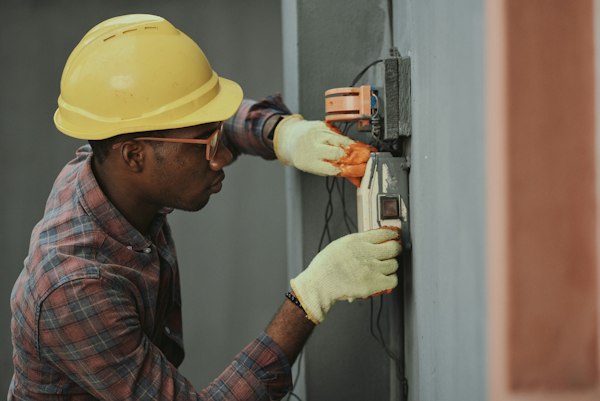
For most homeowners, dedicated circuits are best handled by a licensed professional—especially anything involving 240V loads or panel modifications.
Practical tips to get the most out of dedicated circuits
If you’re budgeting upgrades, these tips help prioritize:
1) Start with the biggest risk and highest impact loads
Often the best “first” dedicated circuits are:
- Microwave
- Dishwasher
- Refrigerator
- Laundry (washer/dryer)
- Sump pump (if applicable)
2) Fix the root cause, not just the symptom
If a breaker trips, replacing it with a larger breaker is not a safe fix unless the wire size supports it and the load calculation is correct. The right fix is usually:
- Add a dedicated circuit
- Rebalance loads across existing circuits
- Replace worn devices
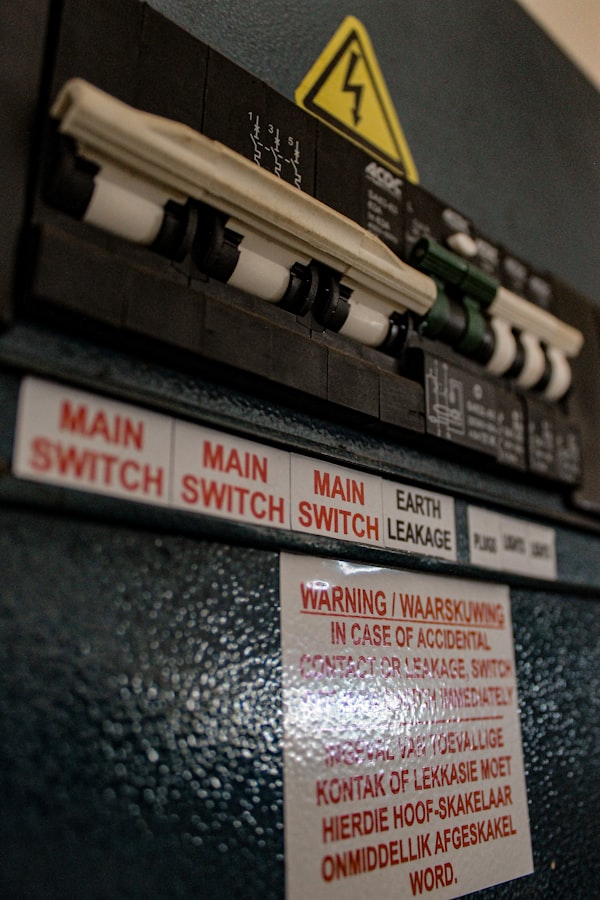
3) Label your panel clearly
A well-labeled panel saves time during emergencies and makes future upgrades easier. If your panel says “kitchen” three times with no detail, consider having it mapped.
4) Think ahead for future appliances
Nashville homeowners are increasingly upgrading to:
- Induction cooktops
- Heat pump water heaters
- EV chargers
- Outdoor kitchens
Planning dedicated circuits now can reduce future costs.
Dedicated circuits for businesses and commercial spaces in Nashville
While this guide is homeowner-focused, dedicated circuits are equally important for Nashville small businesses—especially in restaurants, salons, and offices where equipment loads are concentrated.
Common commercial dedicated circuits include:
- Espresso machines and grinders
- Under-counter refrigeration
- Ice machines
- Point-of-sale and networking equipment (often paired with surge protection/UPS)
- Server racks and AV equipment
If you operate a business in areas like The Gulch, Downtown, Berry Hill, or West Nashville, dedicated circuits can prevent costly downtime and nuisance trips.
Frequently asked questions
Does a refrigerator have to be on a dedicated circuit?
Not always by strict rule in every situation, but it’s strongly recommended. A dedicated circuit helps prevent nuisance trips that can lead to food spoilage.
Can a dishwasher and disposal share a circuit?
Sometimes, depending on load and wiring. Many modern installations use separate circuits, but there are cases where they may share if properly designed. The best answer comes from a load check and the appliance ratings.
How do I know what breaker size I need?
Look at the appliance nameplate and installation manual, then verify the wiring method and conductor size. Breaker sizing isn’t guesswork; it must match the design and code.
Will adding a dedicated circuit increase my electric bill?
No. A dedicated circuit doesn’t increase usage by itself—it simply delivers power more safely and reliably.
Get dedicated circuits installed by a Nashville electrician you can trust
If your home has frequent breaker trips, a newly remodeled kitchen, added garage appliances, or you’re planning a new high-demand upgrade, dedicated circuits are one of the smartest investments you can make.
Evolution Electric is a licensed, IBEW-certified electrical company serving Nashville and surrounding Middle Tennessee communities. We’ll evaluate your current circuits, confirm panel capacity, and install code-compliant dedicated circuits that keep your appliances running safely.
Call Evolution Electric at (615) 961 5930 to schedule an on-site assessment and get a clear, upfront estimate for dedicated circuits in your Nashville-area home or business.
Evolution Electric Team
Licensed Electricians | State of Tennessee
With over a decade serving Nashville homeowners and businesses, our team of licensed electricians brings expert knowledge and hands-on experience to every project. We're committed to electrical safety, code compliance, and customer education.
Need Professional Electrical Help?
Evolution Electric serves Nashville and surrounding counties with licensed electricians. Call for a project consultation today.