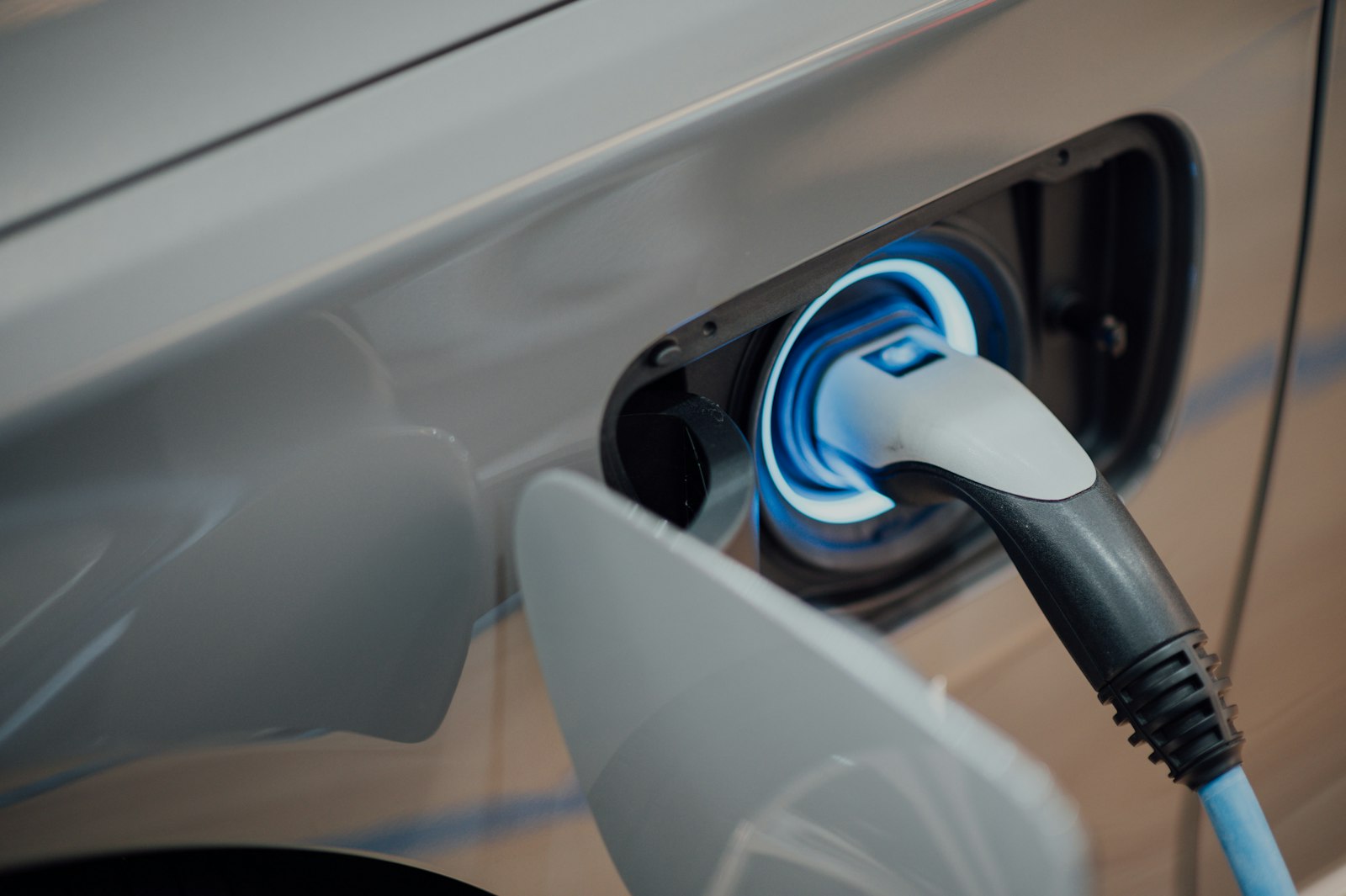
EV Charger Installation in Nashville, TN
A Level 2 home charger is the most practical way to keep an electric vehicle charged for daily use. Rather than relying on public charging stations or slow standard-outlet charging, a professionally installed home charger provides faster, more convenient charging on your own schedule. Evolution Electric provides professional EV charger installation for Nashville and Middle Tennessee homeowners — including electrical assessment, dedicated circuit installation, and permitting where required.
Why Home EV Charging
For most EV owners, home charging is where the majority of charging happens. A properly installed Level 2 charger allows you to charge overnight and start each day with a full battery — without relying on public charging infrastructure.
Home charging may be a good fit if:
- You own or lease an electric vehicle — or plan to purchase one — and want a reliable daily charging solution
- You have a garage, carport, or driveway — where a charger can be mounted with access to your electrical panel
- You want to reduce reliance on public charging — home charging is typically more convenient and may cost less per kWh depending on your utility rate and charging schedule
- You want to charge overnight — Level 2 charging can provide substantial overnight charging for most daily driving needs, with actual charging time depending on the vehicle, charger output, battery size, and starting charge level
Level 1 vs Level 2 Charging
Understanding the difference between charging levels helps you decide what your home needs.
Level 1 — Standard 120V
Uses the portable charger that comes with most electric vehicles. Plugs into a standard household outlet. Adds a limited amount of range per hour of charging. Level 1 may be sufficient for plug-in hybrids or drivers with very short daily commutes, but for most battery-electric vehicles, Level 1 charging is too slow for practical daily use.
Level 2 — 240V Dedicated
Requires professional electrical installation. Uses a dedicated 240V circuit from your electrical panel to a wall-mounted or pedestal-mounted charging unit. Charges significantly faster than Level 1. Level 2 charging can provide substantial overnight charging for most daily driving needs, with actual charging time depending on the vehicle, charger output, battery size, and starting charge level. This is what most Nashville EV owners install.
DC Fast Charging (Level 3)
Available only at commercial charging stations. Not applicable to residential installation. Mentioned here for context — if you see “Level 3” discussed online, it refers to commercial equipment, not home charging.
What a Home EV Charger Installation Involves
A professional EV charger installation typically includes the following electrical work:
The specific scope of work depends on your home's electrical system, panel capacity, the distance between the panel and charging location, and the charger being installed.
Panel Capacity
Not every home needs a panel upgrade to support an EV charger — but some do. The determining factor is whether your existing electrical panel has enough available capacity for the additional circuit.
When a panel upgrade may not be needed
- Your panel has available breaker spaces and sufficient unused amperage for the charger's circuit requirements
- The charger's electrical demand, combined with your existing loads, stays within your panel's rated capacity
When a panel upgrade or subpanel may be needed
- Your panel is already at or near capacity with existing circuits
- Your home has an older 100-amp or 60-amp service that cannot support additional high-amperage loads
- You're adding an EV charger alongside other significant electrical additions (generator, hot tub, HVAC upgrade)
Evolution Electric evaluates panel capacity as part of every EV charger assessment. If a panel upgrade is needed, we can handle both the panel work and charger installation as a single project. See our electrical panel upgrade services for more information.
Installation Process
Electrical assessment
We evaluate your panel capacity, the proposed charger location, the wiring path, and any additional electrical work that may be needed. This determines the full scope of the installation.
Project quote
You receive a detailed written project quote covering the complete scope of work. Evolution Electric provides project-based pricing before installation begins.
Permitting
EV charger installations may require electrical permits depending on the scope of work and local jurisdiction. Evolution Electric can explain the requirements that apply to your project and handle the permitting process where applicable.
Installation and testing
Dedicated circuit installation, charger mounting and connection, circuit testing, and charger verification. All work performed by licensed electricians.
Project timing depends on the scope of work, panel capacity, permitting requirements, equipment, and scheduling. Evolution Electric provides a project-specific timeline after evaluating the installation.
Permitting
EV charger installations may require electrical permits depending on the scope of work and local jurisdiction. Evolution Electric can explain the permitting requirements that apply to your project and handle the permitting process where applicable.
If the installation includes a panel upgrade or service change, additional permitting or utility coordination may apply. Evolution Electric can advise on the requirements for your specific project.
Pricing
EV charger installation pricing depends on your existing electrical panel, available capacity, the distance from the panel to the charger location, whether a panel upgrade or subpanel is needed, the charger being installed, permitting requirements, and site conditions. Two homes needing “a Level 2 charger installed” can require very different scopes of work — and therefore very different pricing.
Evolution Electric provides detailed project-based pricing after evaluating the property.
Incentives & Tax Credits
Federal and state incentives for home EV charger installation may be available depending on current legislation. Tax credits, rebate programs, and utility incentives can change from year to year.
Before making financial decisions based on incentive availability:
- Consult a qualified tax professional about current federal tax credit eligibility for residential EV charger installations
- Check with your serving utility for any current charging equipment programs or rate incentives
- Verify incentive amounts, eligibility requirements, and expiration dates — these change and may not apply to all installations
Evolution Electric installs the charger and electrical infrastructure. We do not provide tax or financial advice, but we can help ensure your installation meets any technical requirements that incentive programs may specify.
Related Services
An EV charger installation often connects to other electrical work:
Electrical Panel Upgrade
If your panel doesn't have sufficient capacity for an EV charger circuit, a panel upgrade can provide the additional capacity needed. We can handle both the panel upgrade and charger installation as a single project.
Generator Installation
Homes with both an EV charger and a backup generator have higher electrical demands. If you're planning both, a combined assessment ensures your electrical system can support everything.
Surge Protection
A whole-home surge protector at your electrical panel protects your EV charger and other connected equipment from power surges.
Electrical Inspection
Not sure if your home's electrical system can support an EV charger? An electrical inspection evaluates your panel, wiring, and capacity.
Planning EV charging for a workplace, multi-family property, retail location, or other commercial site? Explore our commercial EV charging installation services.
Frequently Asked Questions
What type of charger do I need for my electric vehicle?
Most residential EV charging installations use a Level 2 (240V) charger. The specific charger model depends on your vehicle, your charging needs, and your preferences. Evolution Electric installs a range of residential EV charging equipment and can discuss options during the assessment.
Do I need a panel upgrade to install an EV charger?
Not necessarily. If your current panel has available capacity for the charger's circuit requirements, no upgrade may be needed. If the panel is at or near capacity, a panel upgrade or subpanel addition may be necessary. Evolution Electric evaluates panel capacity as part of every EV charger assessment. See our electrical panel upgrade services for more information.
Can the charger be installed outdoors?
Yes. EV chargers can be installed in garages, carports, or outdoor locations. Outdoor installations require appropriate enclosure ratings and mounting to protect the equipment from weather exposure. Your electrician will recommend the appropriate approach for your installation location.
Does EV charger installation require a permit?
EV charger installations may require electrical permits depending on the scope of work and local jurisdiction. Evolution Electric can explain the requirements that apply to your project and handle the permitting process where applicable.
Are there tax credits or incentives for EV charger installation?
Federal and state incentives for residential EV charger installation may be available depending on current legislation and eligibility requirements. Incentive programs change from year to year. Consult a qualified tax professional for current eligibility and amounts.
What if my garage is far from my electrical panel?
The distance between your panel and the charger location affects the scope of the wiring installation. Longer runs require more materials and may involve routing through walls, attics, or crawl spaces. Evolution Electric evaluates the wiring path during the assessment and includes it in the project quote.
Can I charge more than one EV at home?
Level 2 EV chargers commonly use dedicated circuits. Homes charging multiple EVs may require sufficient electrical capacity for multiple charging circuits or a compatible load-management solution. An electrical assessment can determine the appropriate setup.
Schedule Your EV Charger Assessment
Whether you're buying your first electric vehicle, switching from Level 1 to Level 2 charging, or planning a charger installation alongside other electrical work — Evolution Electric evaluates your electrical system and provides clear, project-based pricing.