What to Know Before Installing a Home EV Charger | Nashville Guide
What to Know Before Installing a Home EV Charger in Nashville
If you're considering a home EV charger in Nashville, understanding the basics of charging levels, electrical requirements, and what the installation process involves can help you plan effectively and have an informed conversation with your electrician.
Level 1 vs. Level 2 Charging
Level 1 (Standard 120V Outlet): Uses the portable charger that comes with most electric vehicles. Plugs into a standard household outlet. Adds a limited amount of range per hour of charging. Level 1 may be sufficient for plug-in hybrids or drivers with very short daily commutes, but for most battery-electric vehicles, Level 1 charging is too slow for practical daily use.
Level 2 (240V Dedicated Circuit): Requires professional electrical installation. Uses a dedicated 240V circuit from your electrical panel to the charging unit. Level 2 charging can provide substantial overnight charging for most daily driving needs, with actual charging time depending on the vehicle, charger output, battery size, and starting charge level. This is what most Nashville EV owners install for daily home charging.
What Affects EV Charger Installation Cost?
EV charger installation pricing varies based on several factors. Understanding what drives cost helps you anticipate the scope of your project:
- Panel capacity: If your electrical panel has available capacity for the charger's circuit, the installation is more straightforward. If a panel upgrade or subpanel is needed, the project scope and cost increase.
- Distance from panel to charger: The length of the wiring run between your electrical panel and the charging location directly affects materials and labor. Shorter, more accessible runs cost less.
- Charger type and configuration: Different chargers have different electrical requirements. Hardwired and plug-in configurations may have different installation considerations.
- Site conditions: Routing wiring through finished walls, attics, crawl spaces, or outdoor conduit runs affects installation complexity.
- Permitting: Permit fees and requirements vary by jurisdiction and scope of work.
- Additional electrical work: Some installations require circuit breaker upgrades, subpanel additions, or other electrical modifications beyond the charger circuit itself.
Because these factors vary significantly between homes, installation pricing is project-specific. An on-site electrical assessment is the most reliable way to determine the scope and cost of your installation.
Electrical Requirements for a Home EV Charger
A Level 2 EV charger installation typically requires:
1. A dedicated 240V circuit from your electrical panel to the charging location, not shared with other equipment.
2. Appropriate conductor sizing — the wire gauge and circuit breaker must match the charger's electrical specifications and the length of the wiring run.
3. Available panel capacity — your panel must have room for the additional circuit. If it doesn't, a panel upgrade or subpanel may be needed before the charger can be installed.
Does Your Panel Have Enough Capacity?
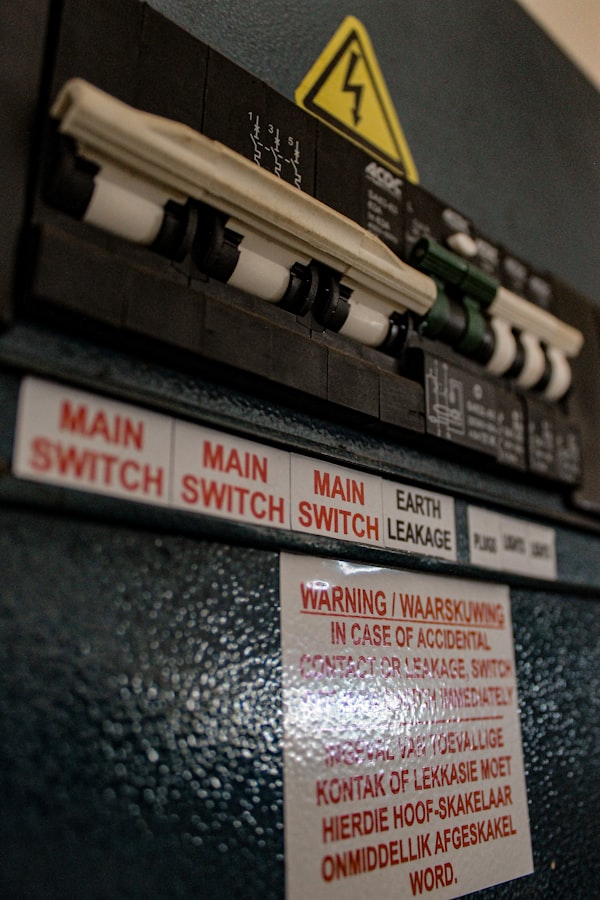
This is one of the first questions your electrician will evaluate. If your panel has available breaker spaces and sufficient unused amperage, no upgrade may be needed. If your panel is at or near capacity — especially common in older Nashville homes with 100-amp service — a panel upgrade or subpanel addition may be necessary.
If a panel upgrade is needed, many homeowners choose to handle both the panel work and charger installation as a single project. Learn more about professional electrical panel upgrade and replacement services in Nashville.
Incentives and Tax Credits
Federal and state incentives for residential EV charger installation may be available depending on current legislation. Tax credits, rebate programs, and utility incentives can change from year to year. Consult a qualified tax professional about current eligibility and amounts before making financial decisions based on incentive availability.
Indoor vs. Outdoor Installation
EV chargers can be installed in garages, carports, or outdoor locations. Outdoor installations require appropriate enclosure ratings and mounting to protect the equipment from weather exposure. Your electrician can recommend the appropriate approach for your specific installation location and Nashville's climate.
Choosing a Charger
The EV charger market includes a range of products with different features, amperage ratings, connectivity options, and price points. Your electrician can discuss what's compatible with your vehicle and electrical system during the assessment. The electrical installation requirements are similar across most residential Level 2 chargers — what varies is the charger's features and your personal preferences.
Next Steps
Ready to get your EV charger installed? Evolution Electric provides professional EV charger installation services in Nashville — including electrical assessment, dedicated circuit installation, and permitting where applicable. Call (615) 961-5930 or schedule an assessment to get started.
Evolution Electric Team
Licensed Electricians | State of Tennessee
With over a decade serving Nashville homeowners and businesses, our team of licensed electricians brings expert knowledge and hands-on experience to every project. We're committed to electrical safety, code compliance, and customer education.
Need Professional Electrical Help?
Evolution Electric serves Nashville and surrounding counties with licensed electricians. Call for a project consultation today.