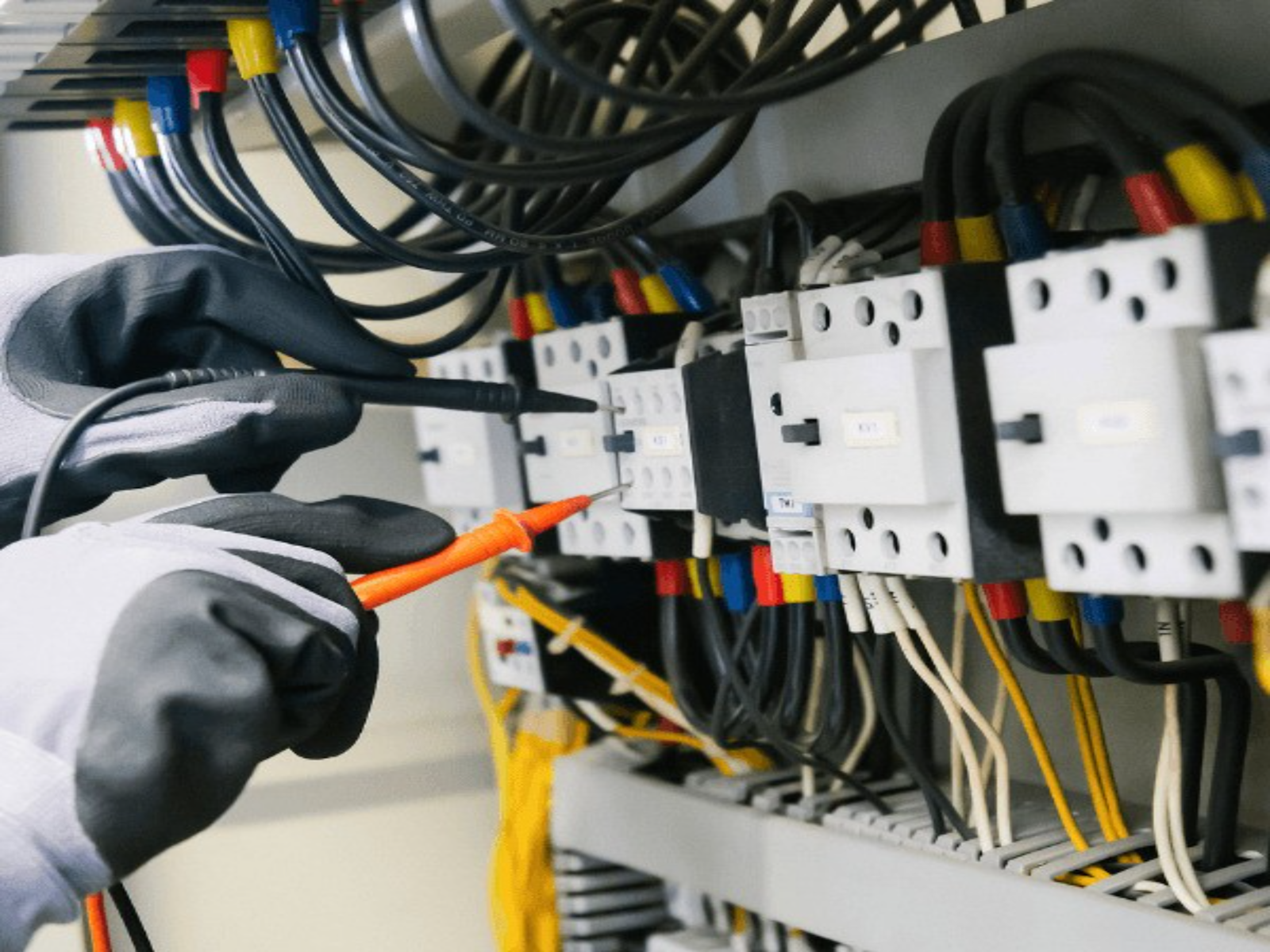
Electrical Repair in Nashville, TN
When something goes wrong with your home's electrical system — a breaker that won't stay on, an outlet that stops working, lights that flicker without explanation — you need a licensed electrician who can diagnose the problem accurately and repair it correctly. Evolution Electric provides electrical repair and troubleshooting for Nashville and Middle Tennessee homeowners, from straightforward fixes to complex diagnostic work.
Common Problems Nashville Homeowners Call About
Electrical problems range from minor inconveniences to potential safety hazards. The following are among the most common reasons Nashville homeowners contact an electrician for repair or troubleshooting. If you're experiencing any of these, a professional evaluation can determine the cause and the appropriate repair.
Breakers That Trip Repeatedly
A circuit breaker that trips occasionally is doing its job — interrupting power when a circuit is overloaded or a fault is detected. A breaker that trips repeatedly may indicate a different problem:
What NOT to do: Do not repeatedly reset a tripping breaker without identifying the cause. Repeated tripping indicates a problem that could worsen if ignored.
Outlets and Switches That Stop Working
A dead outlet or non-functioning switch can have several causes:
If a GFCI reset or breaker reset doesn't solve the problem, the issue likely requires a professional diagnosis to determine whether it's a wiring, connection, or device problem.
Flickering or Dimming Lights
Occasional light flickers can be caused by something as simple as a loose bulb. Persistent or widespread flickering may indicate a more significant electrical issue:
When to be concerned: Flickering accompanied by buzzing, burning odor, or warm outlets or switches warrants prompt professional evaluation.
Partial Loss of Power
Losing power to part of your home while other areas remain energized can be disorienting. Common causes include:
If you experience partial power loss, contact a licensed electrician to determine whether the issue is on the house side or the utility side. If the issue is utility-related, your electrician will advise you to contact your serving utility.
Warning Signs That Require Prompt Attention
Some electrical symptoms indicate conditions that should be evaluated promptly rather than deferred:
Burning odor from an outlet, switch, or panel
May indicate overheating wiring or a failing connection. Turn off the affected circuit if you can identify it safely.
Discoloration or scorch marks
Around outlets, switches, or the panel.
Warm or hot outlet or switch cover plates
Outlets and switches should not generate noticeable heat under normal conditions.
Buzzing or crackling sounds
From outlets, switches, or the panel — may indicate arcing, which is a fire risk.
Sparking when plugging in or unplugging devices
Occasional brief sparks can be normal, but repeated or visible arcing is not.
Frequent light-bulb burnouts
Can indicate voltage issues, loose connections, or incorrect fixtures.
If you observe any of these signs and feel the situation may be unsafe, err on the side of caution: turn off the affected circuit at the panel if you can do so safely, and contact a licensed electrician.
Troubleshooting vs Repair
Not every electrical problem requires a major repair. Before repair work begins, your electrician evaluates the problem on site to determine the cause and scope of the issue. You receive a project-specific quote before any repair work is performed.
What an on-site evaluation typically involves:
- Identifying the specific symptom and the affected circuits
- Testing voltage, continuity, and connections at relevant points
- Evaluating the panel and breakers where applicable
- Determining whether the issue is localized (one outlet, one circuit) or systemic (panel, service, or wiring)
This diagnostic-first approach avoids unnecessary work and ensures the actual problem — not just the visible symptom — is addressed.
When a Panel Evaluation May Be Appropriate
Some repair visits reveal that the underlying issue isn't a single circuit or device — it's the electrical panel or the home's overall electrical capacity. This is particularly common in older Nashville homes with original 100-amp or 60-amp service panels.
Signs that a panel evaluation may be warranted alongside a repair:
- Breakers trip frequently across multiple circuits
- The panel is at or near capacity with no available breaker spaces
- The panel uses fuses rather than circuit breakers
- The home’s electrical demands have grown significantly since the panel was installed
If a panel evaluation is needed, Evolution Electric can assess both the immediate repair and the panel's overall condition as part of the same visit. See our electrical panel upgrade services for more information.
Repair Process
Contact
Call (615) 961-5930 to describe the problem. This helps the electrician prepare for the visit with appropriate tools and materials.
On-site evaluation
A licensed electrician evaluates the problem on site. Testing, measurement, and visual inspection determine the cause and scope of the issue.
Project quote
Before any repair work begins, you receive a clear, project-specific quote covering the diagnosed repair. Evolution Electric provides project-based pricing before repair work begins.
Repair and verification
The repair is completed, the affected circuits are tested, and the electrician verifies the issue is resolved.
Pricing
Electrical repair pricing depends on the nature of the problem, the complexity of the diagnosis, what parts of the electrical system are involved, accessibility, and the scope of the repair. Two homes with a “tripping breaker” can require very different diagnostic and repair work.
Evolution Electric provides a clear project quote after the on-site evaluation — before any repair work begins.
Related Services
An electrical repair visit sometimes reveals needs beyond the immediate fix:
Electrical Panel Upgrade
If repeated breaker trips or capacity limitations are the root cause, a panel upgrade may resolve the problem more effectively than repeated repairs on individual circuits.
Electrical Inspection
If the repair reveals broader wiring concerns, an inspection can evaluate the overall condition of your home's electrical system.
Surge Protection
If surge damage caused the electrical failure, a whole-home surge protector can prevent future damage to your wiring and connected equipment.
Frequently Asked Questions
What should I do if I smell something burning near an outlet or switch?
Turn off the affected circuit at your electrical panel if you can identify it and do so safely. Do not continue using the outlet or switch. Contact a licensed electrician for evaluation. If you believe the situation is immediately dangerous, contact emergency services.
How is electrical repair priced?
Evolution Electric provides project-based pricing. After the on-site evaluation, you receive a clear project quote for any repair work needed before any work begins. Repair pricing depends on the nature of the problem, the complexity of the diagnosis, and the scope of the repair.
What is the difference between a diagnostic visit and a repair?
An on-site evaluation identifies the cause of the problem through testing and inspection. A repair addresses the identified cause. The evaluation happens first — and you receive a project quote for the repair before any work begins. This ensures you understand what the problem is and what the repair involves before approving the work.
My breaker keeps tripping. Should I just replace it?
Not necessarily. A repeatedly tripping breaker is a symptom, not a diagnosis. The cause could be an overloaded circuit, a wiring fault, a ground fault, or a failing breaker. Replacing the breaker without diagnosing the cause may not solve the problem and could mask a more serious issue. An on-site evaluation determines the actual cause.
Can you work on aluminum wiring?
Some older Nashville homes may have aluminum branch-circuit wiring, which requires specific techniques and materials for safe connections. A licensed electrician can evaluate the condition of aluminum wiring and recommend appropriate options.
Do electrical repairs require permits?
Some electrical repairs may require permits depending on the scope of work and local jurisdiction. Evolution Electric can advise on whether a permit applies to your specific repair.
What if the problem turns out to be on the utility side?
Evolution Electric diagnoses and repairs residential electrical systems. If the issue is on the utility side of the meter, your electrician will explain the finding and advise you to contact your serving utility.
Electrical Problem? Call Evolution Electric.
Whether it's a breaker that won't stay on, an outlet that stopped working, flickering lights, or something you're not sure about — Evolution Electric diagnoses and repairs electrical problems for Nashville homeowners.