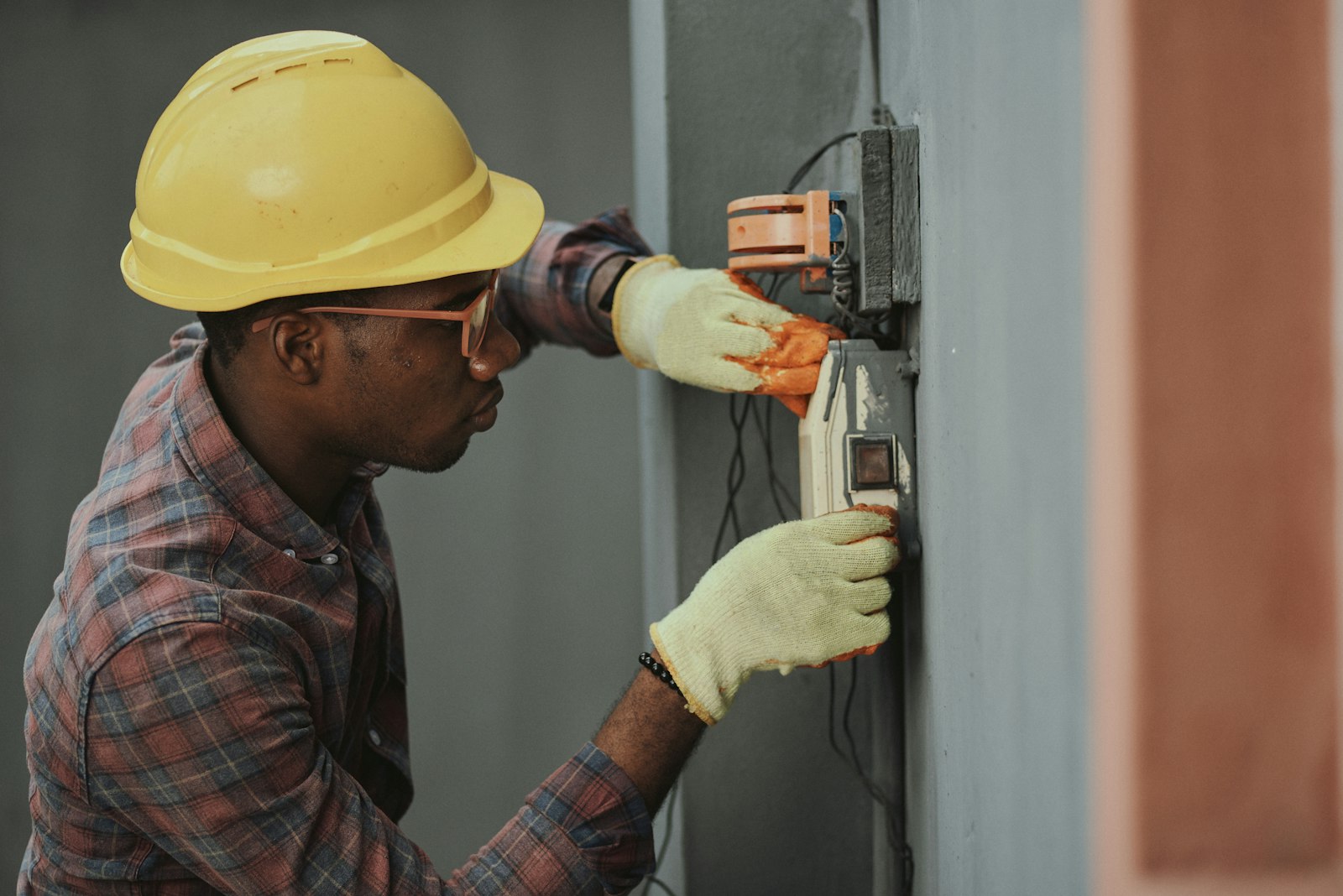
Whole-Home Surge Protection in Nashville, TN
Power surges can damage electronics, HVAC equipment, and appliances without warning. In Nashville, surges come from thunderstorms, utility-side electrical disturbances, and even the cycling of large equipment inside your own home. A whole-home surge protector installed at your electrical panel provides a layer of protection for every circuit in your home. Evolution Electric installs and evaluates surge protection systems for Nashville and Middle Tennessee homeowners.
What Surge Protection Does
A whole-home surge protective device (SPD) is installed at or near your main electrical panel. When a voltage spike exceeds normal levels, the device diverts the excess energy to ground before it reaches your circuits and connected equipment.
What it can protect
- HVAC systems, refrigerators, washers, dryers, and other appliances
- Computers, televisions, routers, and home office equipment
- Garage door openers, security systems, and smart home devices
- Lighting controls and dimmers
Important limitations
A surge protector reduces the risk of surge damage but does not eliminate it entirely. Direct lightning strikes, for example, can overwhelm any residential surge device. Surge protection is one layer of an overall electrical safety strategy — not a guarantee against all surge events.
What Causes Power Surges
Surges can originate outside or inside your home.
External sources
Internal sources
Most surge damage is cumulative rather than catastrophic — repeated small surges gradually degrade equipment until it fails.
Whole-Home vs Point-of-Use Protection
There are two main categories of residential surge protection, and they work best together.
Whole-Home (Type 2 SPD)
Installed at your main electrical panel. Protects every circuit in the home from surges entering through the utility connection. This is the most effective single measure because it covers hardwired equipment (HVAC, water heater, oven) that plug-in strips cannot reach.
Point-of-Use (Type 3 SPD)
Power strips or plug-in devices at individual outlets. Provides additional filtering for particularly sensitive equipment like computers, home theater systems, and networking equipment.
Layered approach
The most effective surge protection strategy uses both: a whole-home SPD at the panel to catch large external surges, with point-of-use devices at sensitive equipment for additional filtering. Your electrician can recommend the appropriate configuration for your home.
When an Assessment Makes Sense
Consider a surge protection evaluation if:
A licensed electrician can assess your panel, evaluate your current protection, and recommend an appropriate solution.
Relationship to Your Electrical Panel
A whole-home surge protector connects to your electrical panel, so the panel's condition and configuration matter.
See our electrical panel upgrade services for more information. Surge protective devices should be selected and installed according to applicable product listings, manufacturer requirements, and the electrical system being protected.
Assessment and Installation
Panel evaluation
A licensed electrician inspects your electrical panel, grounding system, and existing protection to determine compatibility and the appropriate device.
Project quote
You receive a project-specific quote covering the complete scope of work. Evolution Electric provides project-based pricing before installation begins.
Installation
The surge protective device is mounted at or near the panel and connected to the electrical system. Installation typically does not require extended power interruption.
Testing and verification
The electrician tests the installation, verifies the protection indicator, and explains device status indicators.
Pricing
Surge protection pricing depends on your panel type, available space, grounding condition, the device selected, and whether additional electrical work is needed. Evolution Electric provides project-based pricing after evaluating your electrical system.
Related Services
Surge protection often connects to other electrical work:
Electrical Panel Upgrade
A panel upgrade is an ideal time to add whole-home surge protection. If your panel needs upgrading, we can handle both in a single project.
EV Charger Installation
Protect your EV charger and other connected equipment with whole-home surge protection installed alongside your charger.
Electrical Inspection
Not sure about the condition of your electrical system? An inspection evaluates your panel, grounding, and wiring.
Frequently Asked Questions
What is the difference between a whole-home surge protector and a power strip?
A whole-home surge protector installs at your electrical panel and protects every circuit in the home — including hardwired equipment like HVAC, water heaters, and ovens that power strips cannot reach. Point-of-use power strips protect only the devices plugged into them. The most effective approach uses both.
Will a surge protector prevent all electrical damage?
Surge protection reduces the risk of damage from voltage spikes but does not eliminate it entirely. Particularly severe events, such as direct lightning strikes, can overwhelm any residential device. Surge protection is one layer of an electrical safety strategy.
Does surge protection work without proper grounding?
Surge protective devices rely on a functioning grounding system to divert excess voltage safely. If your home’s grounding is inadequate, it may need to be addressed as part of the installation. Your electrician evaluates grounding during the assessment.
How do I know if my existing surge protector is still working?
Most whole-home surge protective devices have an LED indicator that shows whether the device is actively providing protection. An electrician can evaluate the condition of an existing device if you are unsure of its status.
Should I add surge protection when upgrading my panel?
A panel upgrade is a practical time to add surge protection because the panel is already being worked on. If you are planning a panel upgrade, discuss surge protection during your assessment.
Does surge protection affect my homeowner’s insurance?
Insurance policies and their coverage of surge-related damage vary. Contact your insurance provider for questions about your specific policy and coverage. Surge protection helps protect your equipment from voltage-related damage regardless of insurance considerations.
Schedule Your Surge Protection Assessment
Whether you want to protect your home from Nashville storm surges, safeguard sensitive electronics, or add surge protection alongside a panel upgrade or new installation — Evolution Electric evaluates your electrical system and provides clear, project-based pricing.