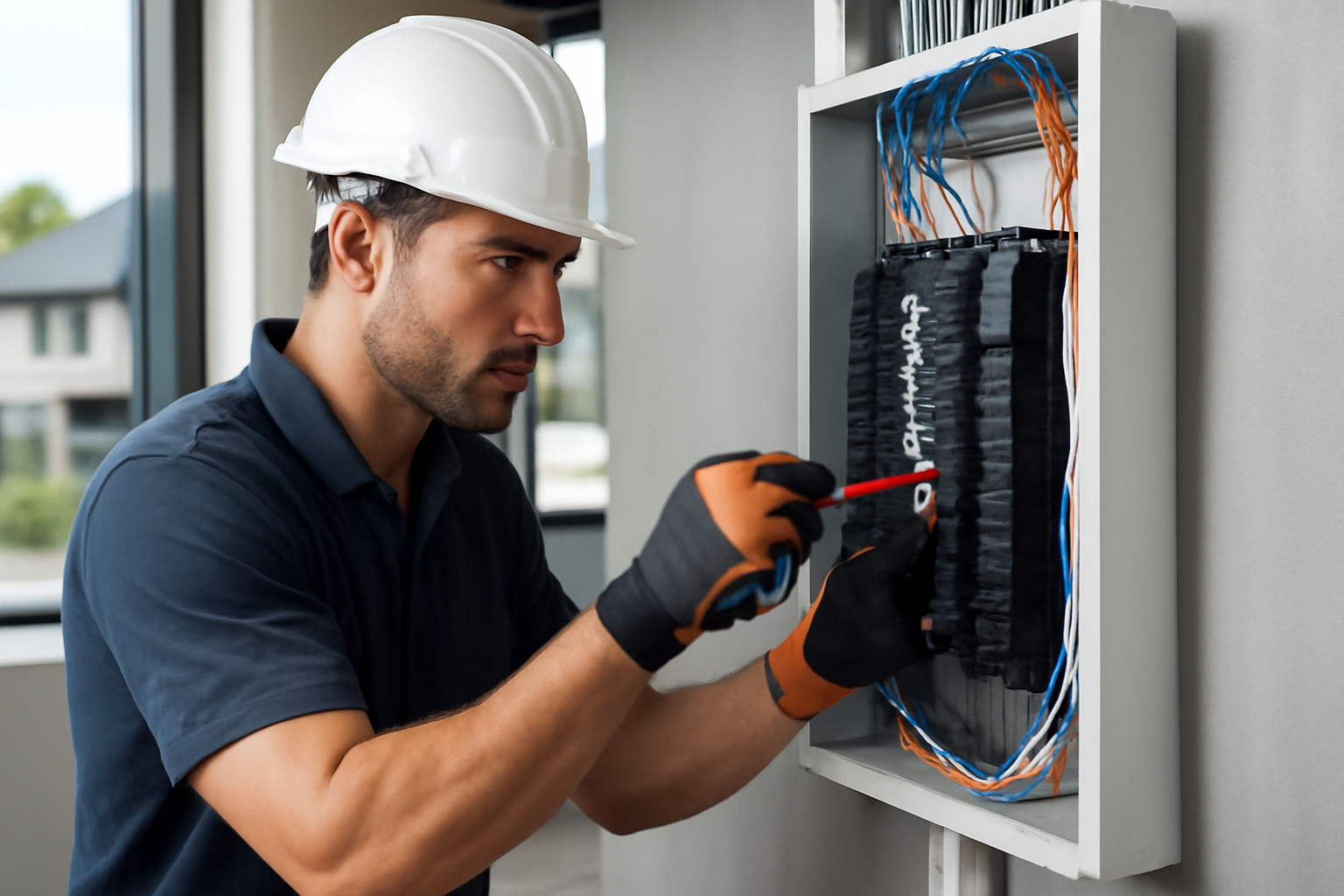
Emergency Electrical Repair Tips for Nashville, TN Homes
# Emergency Electrical Repair: What to Do in Nashville, TN (Step-by-Step)
Electrical emergencies are stressful—especially when the lights flicker during a Middle Tennessee storm, an outlet starts sparking, or you smell something burning near your breaker panel. Knowing exactly what to do in the first few minutes can protect your family, your property, and your electronics.
This guide covers practical, safety-first emergency electrical repair steps for Nashville-area homeowners and businesses, what not to do, when to call NES (Nashville Electric Service), and when to call a licensed electrician. You’ll also find realistic pricing ranges for common emergency repairs in the Nashville, TN market.
> If you believe there’s an immediate fire risk (smoke, flames, or sizzling inside walls), leave the building and call 911.
---
What Counts as an Electrical Emergency?
Not every electrical issue is an emergency, but many “small” warning signs can escalate quickly. In Nashville homes—especially older builds in areas like East Nashville, Sylvan Park, Donelson, and parts of Madison—aging wiring, overloaded circuits, and moisture intrusion can make issues more urgent.
Common electrical emergencies
- Burning smell, smoke, or scorching near an outlet, switch, or panel
- Sparking outlets, switches, or visible arcing
- Buzzing/humming from the breaker panel or a device
- Repeated breaker trips that won’t reset or trip immediately
- Partial power loss (some rooms out, others on)
- Water + electricity (flooded basement, wet panel, storm damage)
- Shocks/tingles when touching appliances, faucets, or switches
- Hot outlets or switches to the touch
- Flickering or dimming lights when major appliances run (HVAC, dryer, microwave)
Not always an emergency (but still needs a pro)
- A single dead outlet (no burning smell, no heat)
- A tripped breaker that resets once and stays on
- A single light fixture not working (bulb/fixture issue)
If you’re unsure, treat it as urgent—electrical problems can be hidden behind drywall.
---
First: Make the Situation Safer (The 5-Minute Checklist)
These steps apply to most emergency electrical situations before any troubleshooting.
1) Protect people first
- Keep kids and pets away from the affected area.
- Don’t touch outlets, switches, cords, or panels if you suspect heat, moisture, or arcing.
- If you see smoke or flames: evacuate and call 911.
2) If safe, shut off power
If there’s sparking, smoke, burning odor, or water intrusion, turn off power at the source only if you can do it safely.
- Go to your main electrical panel.
- Stand on a dry surface.
- Use one hand if possible (reduces shock path across your chest).
- Flip the main breaker to OFF.
> If you cannot reach the panel safely (smoke, water, heat, or you’re unsure), leave the home and call for help.
3) Unplug sensitive electronics (only if safe)
If the issue is limited (like partial outage or flickering) and there’s no heat/smoke, unplug:
- Computers and networking equipment
- TVs and gaming systems
- Appliance electronics (smart fridge, microwave)
This can reduce damage from surges or unstable voltage.
4) Avoid water at all costs
In Nashville, heavy rain and storm runoff can lead to wet basements and crawlspaces. If any electrical equipment is wet:
- Do not step into standing water.
- Do not open panels.
- Call a licensed electrician.
5) Document what you see
For faster diagnosis (and sometimes insurance), note:
- What happened right before the issue (HVAC started? lightning? space heater?)
- Which rooms/devices are affected
- Any smells, sounds, heat, or visible damage
---
Emergency Scenario Guide: What to Do (By Symptom)
Use the section that matches what you’re experiencing.
1) Burning Smell, Smoke, or Scorch Marks
A burning odor is one of the highest-risk signs—often caused by loose connections, failing devices, overheated wiring, or arcing.
What to do now
- Turn off the main breaker if safe.
- If smoke is present or increasing: evacuate and call 911.
- Do not plug anything into that circuit.
- Do not “test” the outlet/switch again.
What not to do
- Don’t spray water on electrical components.
- Don’t keep resetting breakers.
- Don’t assume the smell is “just dust.”
Likely causes (what an electrician will check)
- Loose terminal screws on outlets/switches
- Backstabbed receptacles failing
- Overloaded circuit (space heaters are a common culprit)
- Damaged wire insulation or overheated junction box
---
2) Sparking Outlet or Switch
A single tiny spark when plugging in a device can be normal. Continuous sparking, loud crackling, or sparks when not plugging something in is not normal.
What to do now
- If it’s actively sparking: turn off the breaker feeding that area.
- Unplug the device (only if no heat/smoke and it’s safe).
- Keep the outlet unused until inspected.
What not to do
- Don’t continue using the outlet with a “power strip fix.”
- Don’t ignore a warm faceplate.
Nashville-specific tip
If you’re in an older Nashville home with two-prong outlets or inconsistent grounding, sparking can be a symptom of deeper issues. A licensed electrician can evaluate grounding, circuit capacity, and device condition.
---
3) Breaker Keeps Tripping (And Won’t Stay On)
Breakers trip to prevent overheating and fire. If it keeps tripping, it’s doing its job.
What to do now
- Turn off or unplug everything you can on that circuit.
- Reset the breaker once.
- If it trips again immediately: leave it off and call an electrician.
Common causes
- Overloaded circuit (too many high-draw devices)
- Short circuit (damaged wire, failed appliance)
- Ground fault (especially near kitchens, bathrooms, garages)
- Failing breaker (less common, but possible)
Practical load tip
In many Nashville homes, a single circuit may serve multiple rooms. Space heaters, air fryers, hair dryers, and window AC units can overload older circuit layouts quickly.
---
4) Partial Power Loss (Some Lights/Outlets Work, Others Don’t)
Partial power loss can signal a lost leg on a split-phase service, a failing main connection, or a utility-side issue—this can damage appliances.
What to do now
- Turn off major loads (HVAC, oven, dryer) if possible.
- Avoid running sensitive electronics.
- Check if neighbors are affected.
- If you see flickering across multiple rooms, call a licensed electrician and consider calling NES as well.
When to call NES vs. an electrician
- Call NES if:
- Multiple homes are affected
- You see damage near the meter base or service line
- Call an electrician if:
- You notice heat/buzzing at the panel
- Breakers won’t reset or you have recurring partial outages
> If you smell burning at the panel or meter area: shut off the main breaker (if safe) and call for emergency help.
---
5) Wet Electrical Panel, Flooded Basement, or Storm Damage
Nashville storms can bring rapid flooding. Electricity and moisture don’t mix—this is a “stop and call” situation.
What to do now
- Keep everyone out of flooded areas.
- Do not touch the panel, cords, or submerged equipment.
- If you can safely access a dry main shutoff upstream (rare), turn power off.
- Call a licensed electrician.
What a pro may do
- Assess whether the panel, breakers, or meter base were compromised
- Check for water intrusion into conduits and junction boxes
- Recommend drying/replacement and coordinate safe re-energizing
---
6) You Got a Shock or Tingling Sensation
Even “small” shocks can signal dangerous grounding or bonding problems.
What to do now
- Stop using the device immediately.
- Turn off the circuit if you can.
- If someone is being shocked right now and can’t let go: do not touch them—turn off power first and call 911.
Likely culprits
- Damaged appliance cord
- Reversed polarity or bootleg ground
- Missing/failed grounding path
- Moisture-related ground fault
---
What NOT to Do During an Electrical Emergency
Avoid these common, costly mistakes:
- Don’t repeatedly reset breakers. One reset is enough; repeated trips can overheat equipment.
- Don’t replace a breaker with a higher amperage “to stop tripping.” This can create a fire hazard.
- Don’t use extension cords as permanent wiring—especially for heaters and window AC units.
- Don’t open the panel to “look inside” if you’re not trained.
- Don’t ignore warning signs like buzzing, warm plates, or intermittent flicker.
---
When You Should Call a Licensed Electrician Immediately
Call right away if you have:
- Burning smell, smoke, or scorching
- Sparking or arcing
- Breaker that won’t stay on
- Hot outlets/switches
- Electrical issues after a storm or water event
- Repeated flickering/dimming throughout the home
- Signs of unsafe wiring (loose outlets, brittle insulation, exposed conductors)
For Nashville homeowners and businesses, using a licensed, IBEW-certified electrician helps ensure work meets National Electrical Code (NEC) requirements and local expectations.
---
What to Expect During an Emergency Electrical Repair Visit
A professional emergency visit typically includes:
- Safety assessment (heat, arcing, panel condition)
- Identifying the affected circuit(s)
- Voltage testing and load evaluation
- Checking neutral/ground integrity
- Inspecting outlets/switches/junctions for loose or burned connections
- Repairing or replacing failed components
- Documenting what failed and how to prevent repeat issues
Common emergency repairs
- Replacing a burned outlet or switch
- Repairing a loose neutral connection
- Replacing a failed breaker
- Fixing damaged wiring in a junction box
- Diagnosing partial power loss
---
Nashville Pricing Ranges for Emergency Electrical Repairs (What You Might Pay)
Exact cost depends on time of day, access, and the root cause. Here are typical Nashville-area ranges many homeowners see for common emergency-type electrical work:
| Emergency electrical service (Nashville, TN) | Typical price range* | Notes |
| Emergency service call/diagnostic | $150–$350 | Often higher after-hours/weekends |
| Replace standard outlet or switch | $150–$350 | More if wiring is damaged |
| Replace GFCI outlet | $200–$450 | Kitchens/baths/garages/outdoors |
| Replace AFCI/GFCI breaker | $250–$650 | Depends on panel type and breaker cost |
| Repair loose/burned connection in box | $250–$750 | Includes labor to access/repair |
| Troubleshoot partial power loss | $250–$850 | May involve panel + service checks |
| Panel repair (select components) | $400–$1,500 | Not a full replacement |
| Electrical damage after storm/water (initial safety + triage) | $400–$2,500+ | Extent varies widely |
\*Pricing varies by condition, code requirements, materials, and urgency. A licensed electrician can provide a firm estimate after on-site diagnosis.
---
How to Reduce Your Risk of Future Electrical Emergencies
Many emergencies are preventable with a few proactive steps—especially in homes with older wiring or modern power demands.
1) Stop overloading common “problem circuits”
Be cautious with:
- Space heaters (often 1,500W each)
- Air fryers, microwaves, toaster ovens
- Hair dryers and curling irons
- Portable AC units
Tip: If you’re frequently tripping a breaker, you may need a dedicated circuit—common for garages, kitchens, home offices, and entertainment setups.
2) Use surge protection
Nashville storms can create surge events. Consider:
- Point-of-use surge protectors for electronics
- Whole-home surge protection installed at the panel (recommended for many homes)
3) Test safety devices
- Test GFCI outlets monthly (press TEST then RESET)
- If you have AFCI breakers, note nuisance trips and have them evaluated
- Replace any outlet that’s loose, cracked, or discolored
4) Pay attention to “small” warning signs
Call an electrician if you notice:
- Lights dim when HVAC starts
- A new buzzing sound near the panel
- Outlets that don’t hold plugs firmly
- Warm switch plates
5) Schedule an electrical checkup for older Nashville homes
If your home is 30+ years old (or you’re unsure what’s behind the walls), an inspection can identify:
- Loose connections
- Undersized/overloaded circuits
- Improper DIY wiring
- Grounding/bonding issues
- Panel concerns
---
Quick Reference: Emergency Electrical “Do This / Not That”
| Situation | Do this | Not that |
| Burning smell/smoke | Turn off main (if safe), evacuate, call 911 | Keep using the circuit |
| Sparking outlet | Turn off breaker, keep area clear, call electrician | Wiggle the plug or keep testing |
| Breaker keeps tripping | Reset once, then leave off and call | Upsize breaker or repeatedly reset |
| Partial power loss | Reduce loads, call electrician/NES | Run HVAC/oven hoping it stabilizes |
| Water near panel | Stay out, call electrician | Enter water or open the panel |
| Shock/tingle | Stop using device, shut off circuit | Assume it’s “static” |
---
Why Hiring a Licensed Electrician Matters (Especially in Emergencies)
Emergency repairs are not the time for guesswork. A licensed electrician brings:
- Code-compliant repairs (NEC-aligned)
- Correct diagnostic tools and testing
- Proper torque/spec connections (loose connections are a top failure point)
- Safer restoration of power (especially after arcing or water)
In Nashville and throughout Middle Tennessee, quality workmanship matters—because the goal isn’t just “getting power back,” it’s preventing the problem from returning.
---
Need Emergency Electrical Repair in Nashville, TN? Call Evolution Electric
If you’re dealing with sparking, burning smells, repeated breaker trips, partial power loss, or storm-related electrical damage, don’t wait. Evolution Electric is a licensed, IBEW-certified electrical company serving Nashville, TN and surrounding areas.
Call Evolution Electric at (615) 961 5930 to schedule emergency troubleshooting and repair. We’ll help you make the situation safe, identify the root cause, and restore reliable power the right way.
Evolution Electric Team
IBEW Certified Electricians | Licensed by State of Tennessee
With over a decade serving Nashville homeowners and businesses, our team of licensed, IBEW-certified electricians brings expert knowledge and hands-on experience to every project. We're committed to electrical safety, code compliance, and customer education.
Need Professional Electrical Help?
Evolution Electric serves Nashville and surrounding counties with licensed, IBEW-certified electricians. Get your free quote today.